Aligning Live Sports Schedules with Table Reservations at Integrated Resort Properties
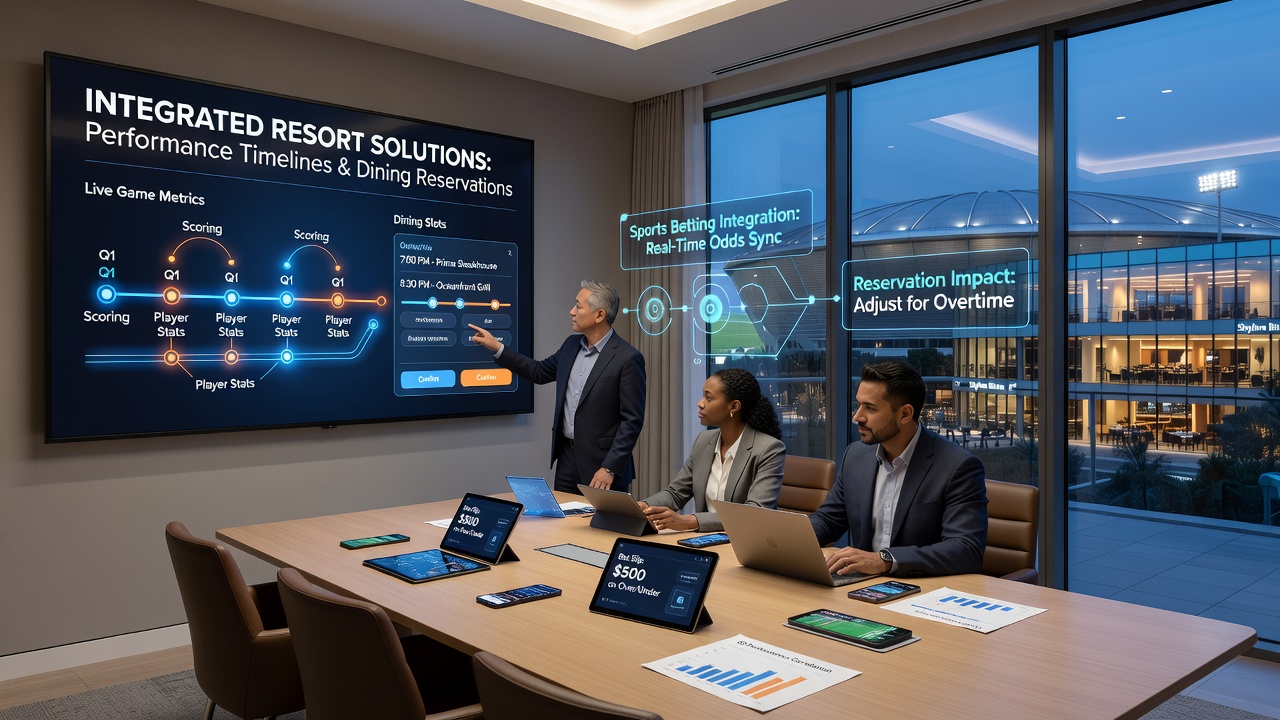
Aligning Live Sports Schedules with Table Reservations at Integrated Resort Properties
Integrated resorts combine sportsbooks, hotel accommodations, restaurants, and entertainment venues into single properties, and operators have developed systems that link live event timelines directly to dining reservation platforms. These connections allow sports bettors to coordinate meal bookings around game starts, halftimes, and final scores while using loyalty accounts that track both wagering activity and dining preferences. Data from the Nevada Gaming Control Board indicates that such integrations have expanded across multiple properties since 2024, with mobile applications handling simultaneous updates for event schedules and table availability.
System Architecture Behind Timeline Integration
Property management software pulls real-time feeds from sports data providers and merges them with reservation databases, so when a major league game tips off at 7:00 p.m., nearby dining outlets automatically display adjusted availability slots that align with typical betting breaks. Guests receive push notifications through the resort app when a wager settles or when a game reaches a key moment, prompting them to confirm or modify existing reservations without leaving the sportsbook floor. Observers note that these automated links reduce walk-up wait times at restaurants by matching peak betting periods with staggered seating times.
Tables at steakhouses or casual grills near the sportsbook often fill during the first quarter of evening contests, while later seatings open after halftime when many bettors step away to eat. The same platforms track guest reward tiers, granting priority booking access to higher-level members whose recent wagering volume meets set thresholds. In June 2026 several major properties introduced expanded API connections between sportsbook terminals and dining kiosks, allowing instant confirmation of both betting history and meal preferences in one transaction flow.
Guest Flow Patterns During Peak Betting Windows
During nationally televised events, foot traffic between the sportsbook and adjacent restaurants follows predictable surges tied to commercial breaks and scoring plays. Resorts adjust staffing levels at host stands and kitchens based on historical patterns pulled from the same timeline systems, so service remains consistent even when sudden betting volume spikes. Those who have analyzed these patterns report that bettors holding active wagers tend to prefer shorter, quicker dining options during live games, whereas post-event meals often involve longer reservations at upscale venues once outcomes are finalized.
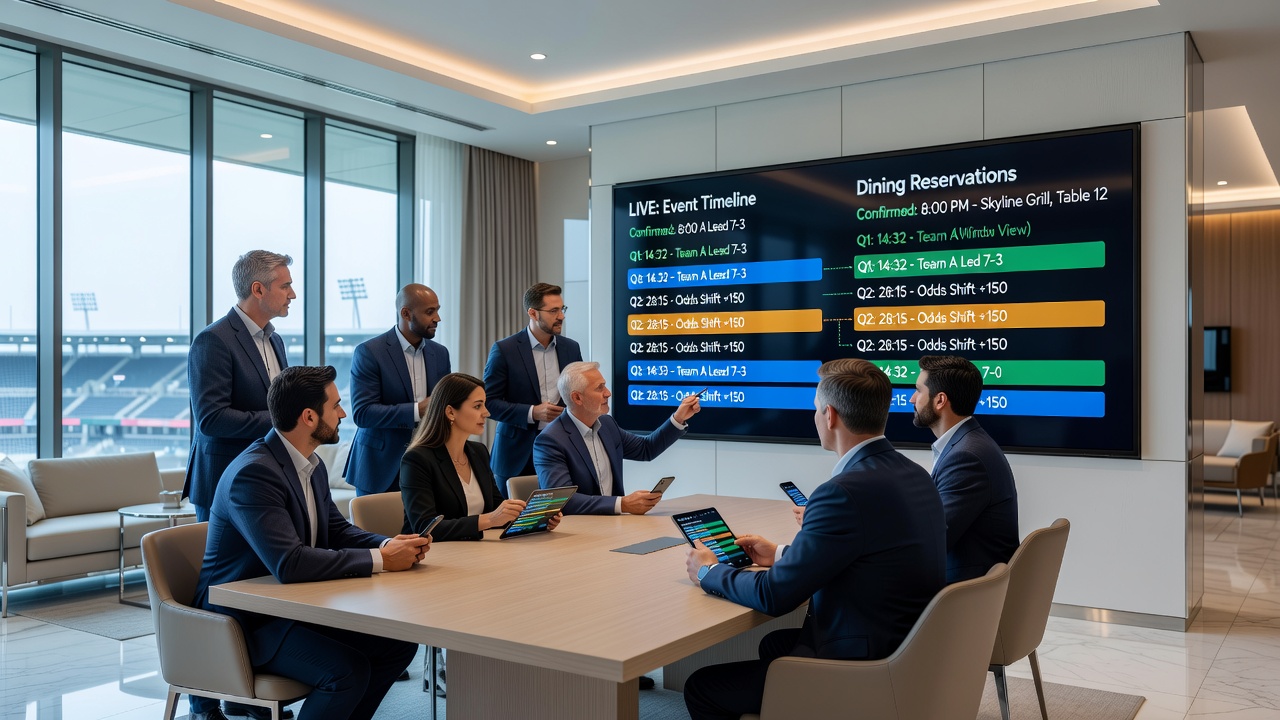
Loyalty programs now display combined calendars that overlay game times, reservation windows, and available comp credits earned from prior wagers. Guests can drag a reservation block on their app to match a specific quarter or inning, and the system recalculates table availability across multiple outlets simultaneously. Research published through the University of Nevada, Las Vegas gaming studies group shows that properties using these synchronized tools record higher repeat visitation rates among sports-focused guests compared with resorts that maintain separate booking channels.
Regional Variations in Implementation
Properties in different markets adapt the same core technology to local sports calendars and dining cultures. East Coast resorts emphasize earlier evening seatings that align with prime-time baseball and basketball broadcasts, while western properties often extend late-night options around Pacific Coast games. In markets with strong international betting interest, timeline tools also account for time-zone differences so overseas events sync properly with on-site meal services. The Canadian Gaming Association has documented similar platform rollouts at resort properties north of the border, where regulatory frameworks encourage data sharing between gaming and hospitality divisions.
Hotel front desks receive the same timeline data, enabling room service menus to adjust during high-volume betting periods and allowing guests who prefer to stay in their rooms to receive coordinated delivery windows. Observers have noted that these cross-department connections create smoother experiences for bettors who move between live viewing, dining, and overnight stays without separate check-ins at each outlet.
Conclusion
Integrated resorts continue refining the links between performance timelines and dining reservations as more properties adopt unified platforms. The approach relies on accurate data feeds, loyalty program coordination, and flexible reservation logic that responds to both scheduled events and real-time game developments. As additional properties implement these connections, the pattern of matching live sports activity with on-site meal planning remains a measurable operational feature across the sector.