From Felt to Footlights: How Poker and Table Games Lead to Prime Entertainment and Dining Reservations
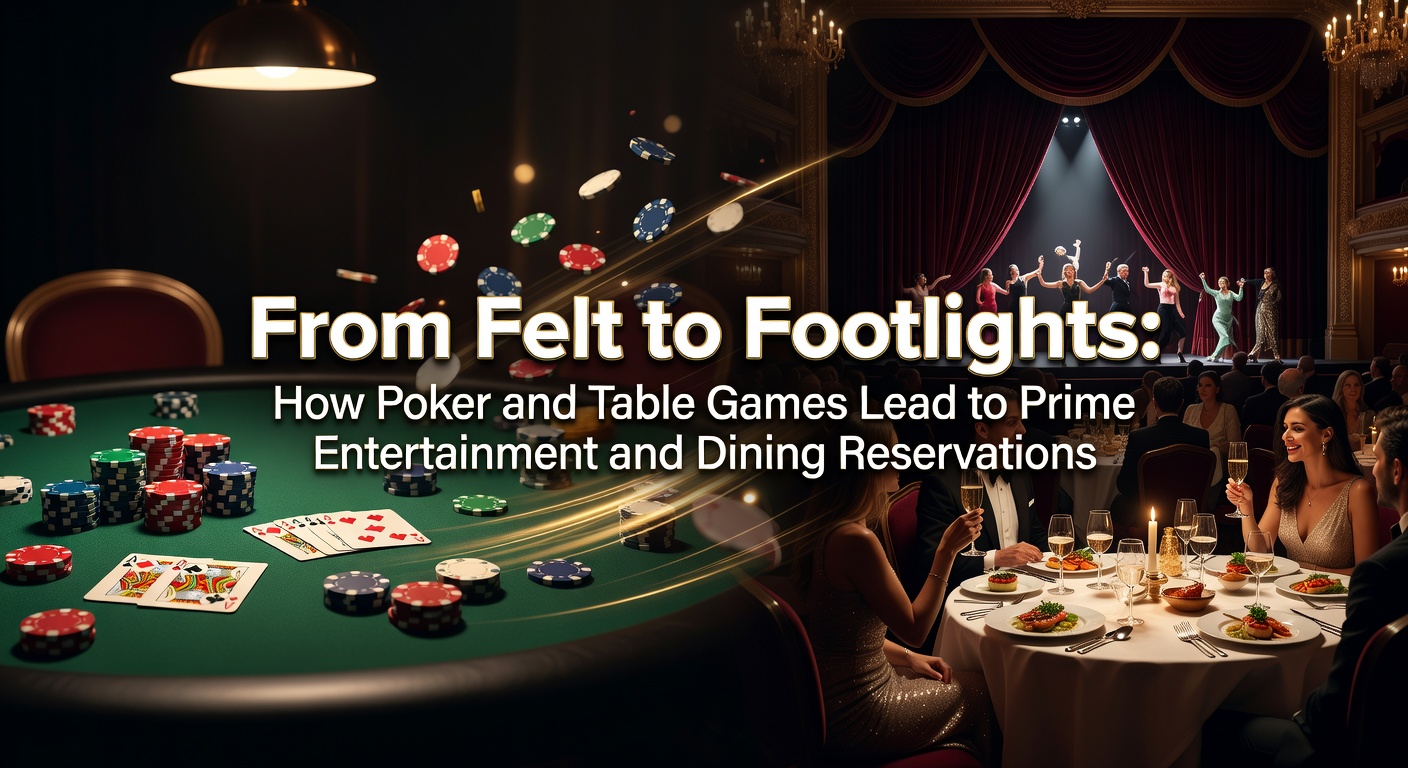
From Felt to Footlights: How Poker and Table Games Lead to Prime Entertainment and Dining Reservations
The Bridge Between Cards, Dice, and VIP Experiences
Casinos have long mastered the art of turning gaming action into lifestyle perks, and nowhere does this shine brighter than with poker and table games; players who hit the felt or roll the dice often find themselves fast-tracked to sold-out shows or chef's table dinners that others scramble for months to book. Data from the American Gaming Association reveals that table games and poker generated over $10 billion in revenue across U.S. properties last year alone, fueling loyalty programs that reward steady play with entertainment and dining comps worth millions more. Observers note how these systems create a seamless loop, where a strong night at blackjack might unlock front-row seats to a headline concert, while poker tournament chips convert directly into reservations at Michelin-starred spots.
But here's the thing: it's not just random generosity; tiered loyalty programs track every bet, every hand, doling out points that scale with wager size and play duration, so high-rollers at craps tables rack up elite status faster than slot spinners, landing them prime slots for experiences that blend the thrill of the game with off-floor indulgences. Take one regular at a Colorado casino who logged 50 hours at Texas Hold'em over a weekend; his points tally secured a private box for a comedy show and a four-course meal at the steakhouse, all comped because his theoretical loss edged into platinum territory.
How Points from the Table Translate to Tableside and Stagefront
At the core of this dynamic sit sophisticated player tracking systems, introduced widely in the 1990s and now powered by AI-driven analytics that monitor play patterns in real time; poker rooms award points based on average pot sizes and hours seated, while roulette or baccarat tables factor in bet minimums and session length, accumulating credits redeemable for everything from pre-theater dinners to backstage passes. Research from the Nevada Gaming Control Board shows that table game players redeem loyalty points for dining 25% more often than slots enthusiasts, since their playstyle encourages longer sessions and higher engagement.
And it flows naturally: a player drops $500 per hand at Pai Gow Poker, earns 10x base points for that tier, then swaps them for a 7 PM reservation at the casino's seafood tower overlooking the floor; meanwhile, the host team prioritizes these guests because their on-floor spend predicts future visits. Experts who've studied casino economics point out that this isn't accidental; properties design point multipliers—say, 2x during peak poker tournaments—to boost table occupancy, turning a crowded felt into a pathway for footlights and fine wine.
What's interesting emerges in the redemption mechanics, where points hold flexible value; one might notice how 5,000 blackjack points cover two tickets to a magic act plus appetizers, but stretch further for lunch at the buffet, allowing players to layer perks across evenings. Those who've tracked their own progress often discover that consistent table time builds status levels—like gold, platinum, noir—that unlock priority access, bypassing waitlists that plague non-gamers.
Case Studies: Real Plays Leading to Real Perks
Consider the story of a Midwest tournament grinder who qualified for a $1 million poker event at a Las Vegas Strip resort; his preliminary play earned enough tier credits not just for entry, but for VIP dining at the property's Italian hotspot—complete with a sommelier pairing wines to his post-win glow—followed by comped orchestra seats to a Cirque du Soleil spectacle that night. Figures from industry trackers indicate such scenarios repeat thousands of times yearly, with table game loyalty redemptions spiking 15% during major entertainment seasons.
Yet poker shines brightest in this realm; daily no-limit hold'em games at mid-tier casinos award bonus points for deep runs, converting them into "express reservations" for headline acts, so a player bubbling the final table might text the host for immediate seating at the prime rib lounge. And in regional spots like those in the Rockies, where Flying Horse Casino draws crowds for its high-stakes tables, players report snagging window tables at the grill during live music series, all because their felt hours pushed them over diamond status thresholds.
Turns out craps crews fare similarly well; one group chronicled online logged $20,000 in tracked play over a week, redeeming for a suite upgrade, sunset dinner cruise tickets, and box seats to a rock tribute band—perks that data shows appeal to 40% of table loyalists over pure cashback. Observers who've pored over annual reports note how these bridges keep players circulating, from pit to plate to performance, extending visits by an average of two days.
Data Dives: Stats Backing the Strategy
Industry research underscores the potency; a study by UNLV's Center for Gaming Research found that poker and table players spend 30% more on non-gaming amenities when comped access via loyalty points, driving $2.5 billion in ancillary revenue last year across Nevada alone. So while slots dominate volume, tables punch above their weight in premium redemptions—think 20% of all entertainment bookings tied to blackjack or baccarat action, per aggregated casino metrics.
But here's where it gets interesting: seasonal multipliers amplify this; during April 2026, as properties gear up for spring festivals, expect 1.5x points on table games leading straight to reservations for outdoor concerts and farm-to-table pop-ups, with early promotions already teasing elite members about priority for events like the Rocky Mountain Music Fest at venues tied to Flying Horse properties. People who've gamed through past Aprils recall how these boosts turned average sessions into all-access passes, blending bets with bites under starlit skies.
Player Strategies and Casino Innovations
Those who maximize these paths often focus on rated play—signing up for a player's card before the first flop, requesting host ratings mid-session to ensure points accrue accurately—while casinos innovate with hybrid apps that preview redemption values, like scanning a poker chip stack to see available showtimes. And although base points vary (typically 1 per $10-20 wagered), events layer on extras; a recent baccarat tourney offered instant dining vouchers for top 10% finishers, pulling players from felt to footlights without delay.
Now, savvy observers highlight hybrid perks too; combine table points with app bookings for "guaranteed golden hour" slots at buffets pre-show, or bundle with ride shares for seamless transitions. It's not rocket science, but data confirms it works—loyalty programs boasting 85% retention for table whales, many citing entertainment and dining as the hook that keeps them seated longer.
Conclusion: A Winning Hand for All
In the end, poker and table games serve as the golden ticket to casino life's fuller spectrum, where every raised bet builds equity toward unforgettable nights out; figures reveal billions in play fueling perks that elevate visits from mere gambles to grand escapes. As April 2026 approaches with its promise of amplified rewards, players stand to gain even more from this felt-to-footlights pipeline, turning theoretical losses into tangible luxuries that keep the energy high long after the cards fold. Casinos continue refining these loops, ensuring table action remains the surest path to prime reservations amid the glitz.