How Length of Stay at Casino Resorts Shapes Betting Patterns and Loyalty Rewards
How Length of Stay at Casino Resorts Shapes Betting Patterns and Loyalty Rewards
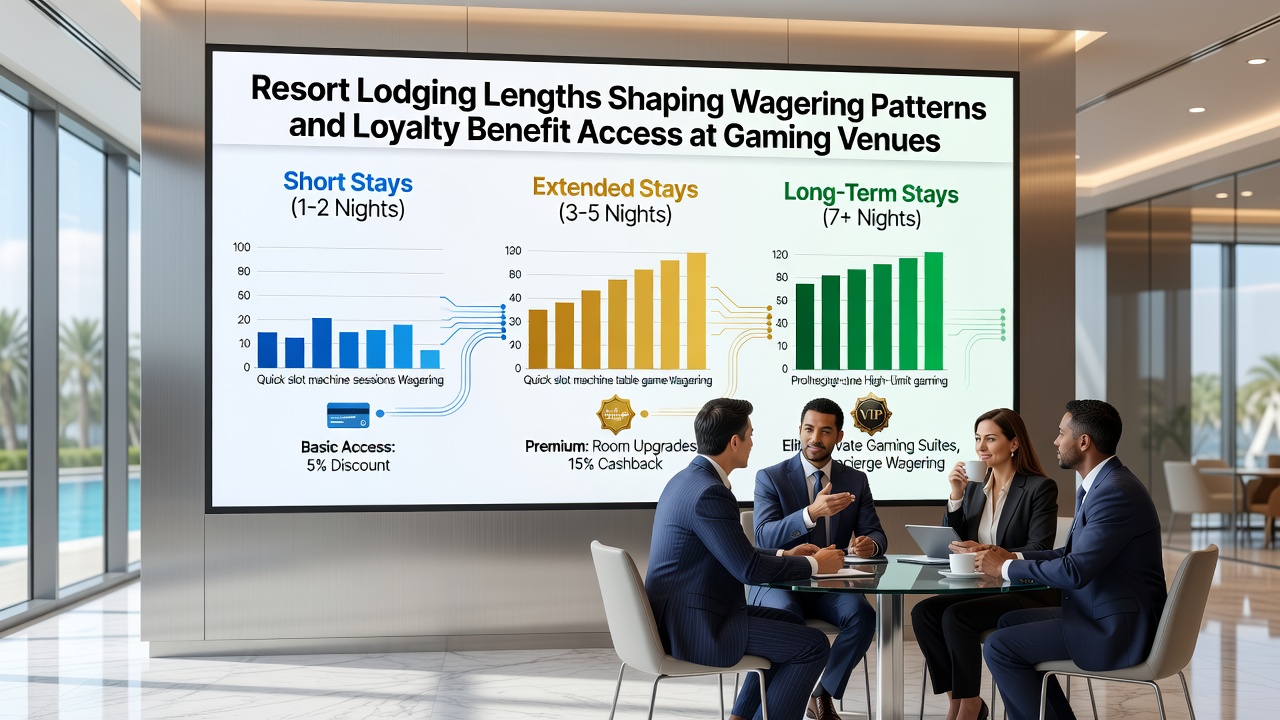
Longer resort stays at gaming properties create measurable shifts in how guests approach wagering while opening doors to expanded loyalty benefits that shorter visits rarely unlock. Data from multiple regions shows that players who remain on site for three or more nights place larger average bets per session and advance through reward tiers faster than day visitors or overnight guests.
Stay Duration and Daily Wagering Volume
Research from state gaming agencies indicates that visitors staying four nights or longer increase their total handle by roughly 40 percent compared with those who check out after 24 hours. The pattern holds across slot floors and table games alike because extended access to the property reduces travel friction and encourages repeat visits to the same machines or tables throughout the day. Observers note that these guests often spread their activity across morning, afternoon, and evening blocks rather than concentrating play in one concentrated period.
One analysis covering properties in multiple states found that guests booked for five nights generated average daily coin-in figures 1.8 times higher than single-night visitors during the same calendar month. The increase appears tied to both convenience and the psychological effect of already having committed time to the destination.
Loyalty Tier Progression Tied to Nights Played
Most major reward programs award points based on a combination of theoretical win and actual time on device or table. Extended stays allow members to accumulate the required points for tier advancement within a single trip instead of across several separate visits. Hotel guests who remain on property for a full week frequently qualify for mid-tier status upgrades that grant access to dedicated lounges, complimentary show tickets, and reduced table minimums.
Figures released by the American Gaming Association reveal that players completing a five-night stay in 2025 reached the next reward level 27 percent more often than those completing multiple shorter trips totaling the same number of nights. The difference stems from the way programs calculate rolling qualification windows and the added multipliers some properties apply during peak summer periods.
July 2026 Data Snapshot
Early numbers from July 2026 show similar trends continuing. Properties reporting to the Nevada Gaming Control Board recorded that guests with confirmed four-plus-night reservations contributed 34 percent of total table game drop during the month while representing only 19 percent of unique visitors. Slot departments noted parallel results with extended-stay players accounting for disproportionate coin-in on higher denomination machines.
Benefit Access and Redemption Timing
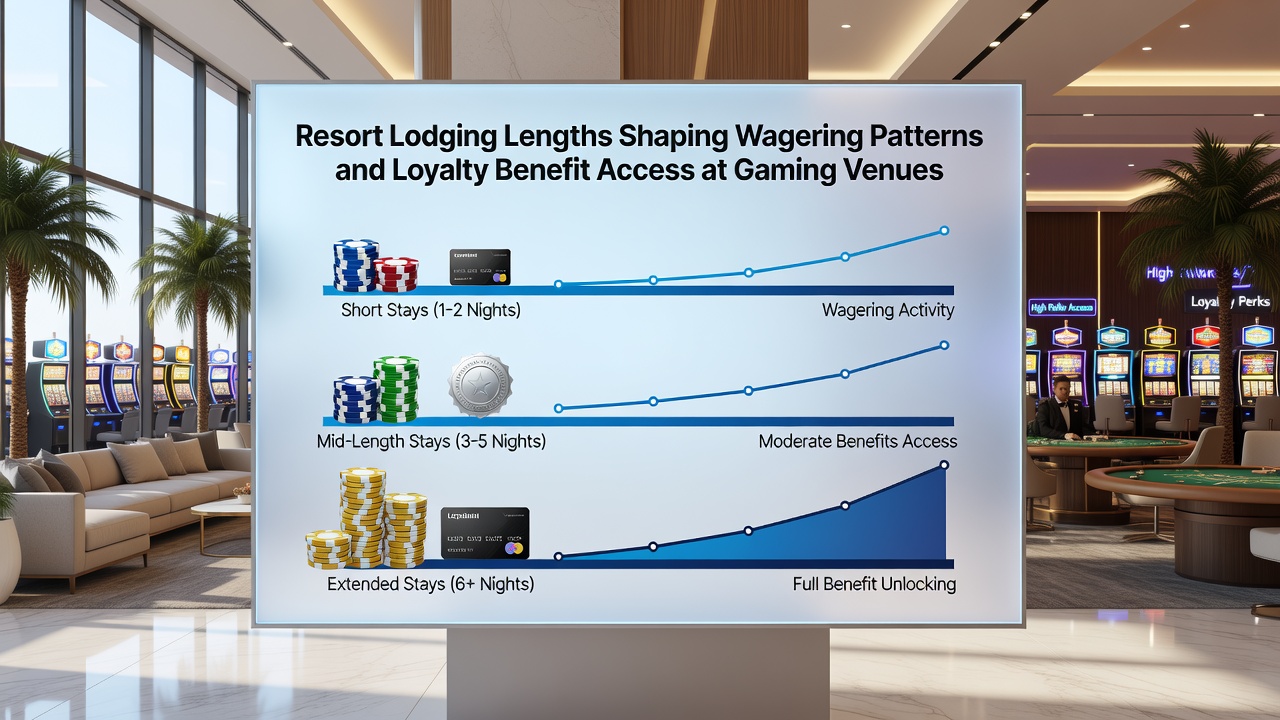
Access to premium benefits often hinges on both tier status and recent play volume. Longer stays give members more opportunities to trigger time-limited offers such as free-play coupons or dining credits that reset daily. Those who depart after one night frequently miss the second or third day of an ongoing promotion that only activates after a set number of hours played.
Programs tracked by the Canadian Gaming Association demonstrate that members staying five nights redeem an average of 2.4 distinct benefit types per trip while single-night guests typically use only one. The gap widens further at properties that tie certain redemptions to consecutive nights rather than total points earned.
Regional Variations in Stay-Based Incentives
Operators in different markets adjust stay-length requirements to match local demand patterns. Properties in competitive urban corridors often require three-night minimums for elite lounge access while destination resorts in less dense areas extend similar privileges after two nights. These differences reflect the need to balance room inventory with gaming revenue targets across varying tourism cycles.
A report issued by the Australian Institute of Criminology in 2025 documented that loyalty members who book consecutive nights receive higher average complimentaries per dollar wagered than those who split the same nights across separate bookings. The finding aligns with internal data shared by several North American operators that use length-of-stay multipliers in their comp algorithms.
Conclusion
Extended resort stays continue to drive higher wagering volumes and faster access to loyalty benefits at gaming venues worldwide. The relationship appears consistent across data sets from state regulators, national industry groups, and academic researchers. Properties that align room inventory strategies with these observed patterns can optimize both guest retention and gaming revenue without altering core reward structures. As more operators adopt integrated property management and player tracking systems, the precision of stay-based incentives is expected to increase further in coming quarters.