Loyalty Program Adjustments During Major Sports Events Change Guest Priorities for Shows and Meals at Resort Complexes
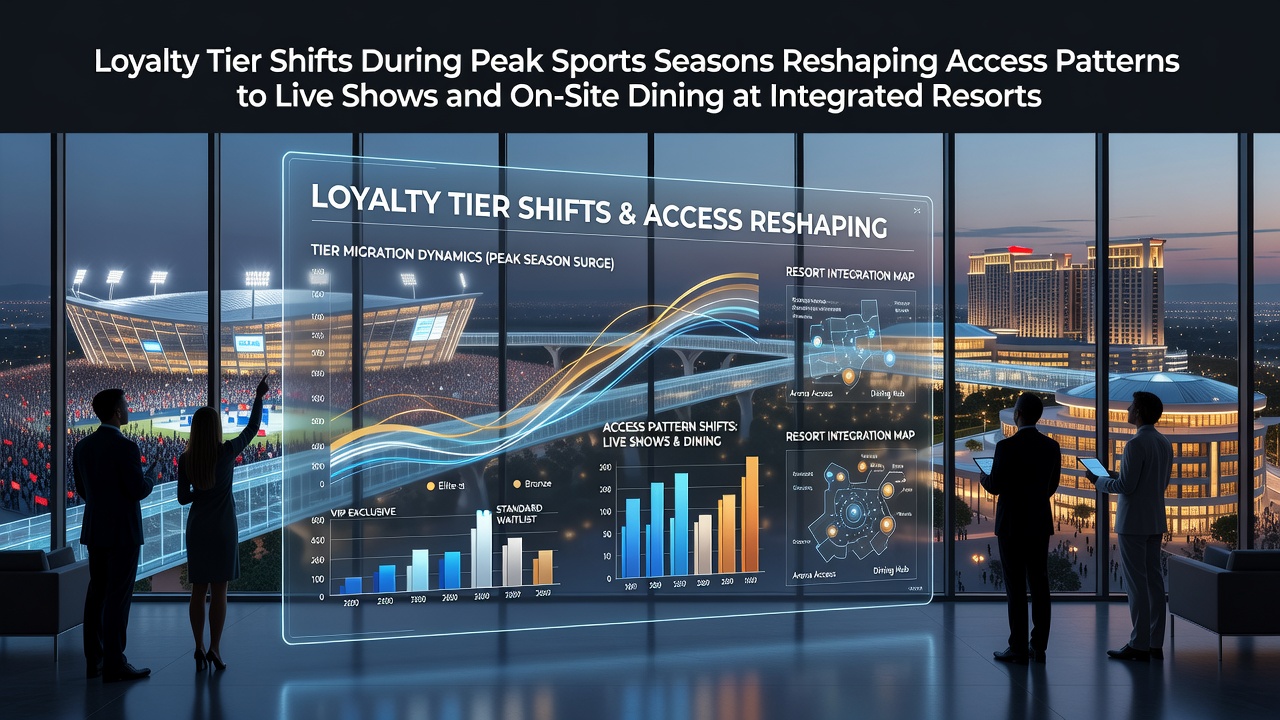
Loyalty Program Adjustments During Major Sports Events Change Guest Priorities for Shows and Meals at Resort Complexes
Integrated resorts across multiple regions adjust loyalty tier structures when peak sports seasons arrive, and these modifications directly influence how members secure spots for live performances alongside seating at on-site restaurants. Data from the Nevada Gaming Control Board shows elevated table game and slot activity during NFL and NBA periods that coincides with revised access rules for entertainment venues and dining outlets. Observers note that higher-tier members receive earlier booking windows while lower tiers face restricted availability during these windows of high demand.
Mechanics Behind Tier Reclassifications
Resorts recalculate player status based on accumulated points from sports betting wagers and related gaming activity, then apply new tier benefits that prioritize live show tickets and restaurant reservations. Those who studied these systems report that members crossing into mid-tier brackets during August 2026 preseason events gained same-day dining priority at integrated properties in several states. The process relies on real-time tracking software that updates status within hours of qualifying play, which allows resorts to open or close reservation slots accordingly.
Access Patterns at Live Entertainment Venues
During concentrated sports calendars, venues attached to resorts limit general admission releases and instead allocate blocks to loyalty members according to updated tier rankings. Figures reveal that concert and comedy show capacities fill faster when tier promotions tie directly to sports betting volume, leaving fewer options for non-members or lower-tier guests. One study of similar properties found that August 2026 scheduling around college football openings produced measurable shifts in reservation lead times, with platinum-level members securing preferred seats up to two weeks ahead of standard guests.
Effects on On-Site Dining Operations
Restaurant managers at these complexes adjust table allocations in tandem with loyalty system updates, granting higher tiers exclusive time slots during evening peak hours. Research indicates that sports season surges in foot traffic prompt properties to reserve prime dining hours for members who reached new status through combined sports and table game play. Patrons who reached elevated tiers in recent cycles often discover shorter wait times at steak houses and buffets, whereas standard members encounter extended queues or alternative seating periods.
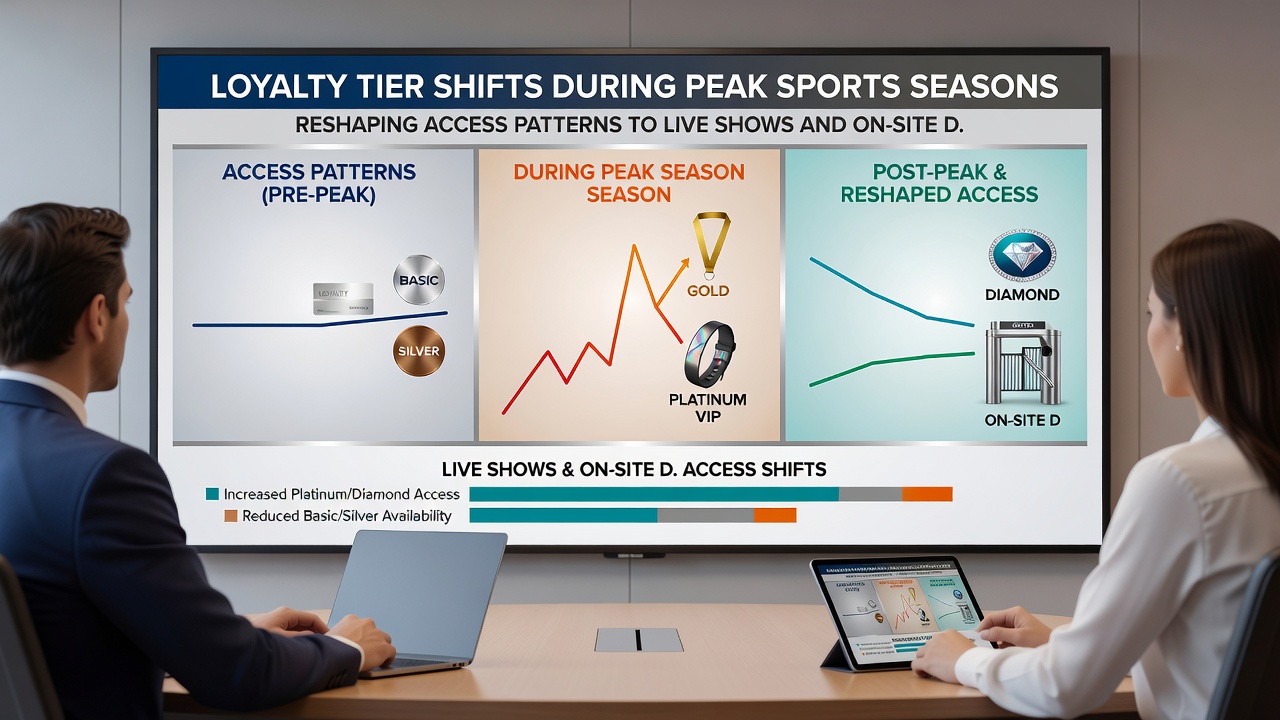
Yet the connection extends beyond simple priority lists, because resorts also modify minimum spend requirements tied to tier status when sports events drive larger crowds. Evidence from multiple properties shows that these temporary rules remain in place through the duration of major tournaments and championships before reverting to baseline structures.
Regional Examples and Timing Considerations
Properties in the American Midwest and Southwest have documented parallel changes during overlapping basketball and hockey seasons, where loyalty platforms automatically elevate members based on cumulative sports book activity. Those who've tracked these adjustments note that August 2026 data collection periods aligned with early football betting spikes, resulting in accelerated tier movement for frequent visitors. Similar patterns appear at facilities that coordinate entertainment calendars with local professional teams, creating predictable windows when dining and show access become tier-gated.
Operational Adjustments by Resort Management
Staff training programs prepare front-of-house teams to verify tier status through mobile applications before confirming reservations, which reduces disputes during high-traffic periods. Data from industry reports demonstrate that such verification steps correlate with higher satisfaction scores among upgraded members while maintaining overall capacity limits. Resorts further coordinate with external ticketing partners to ensure loyalty benefits appear accurately across booking platforms.
Conclusion
Integrated resorts continue to refine loyalty frameworks in response to recurring sports calendars, producing measurable changes in how guests reach live shows and dining experiences. The documented patterns from August 2026 and prior seasons illustrate consistent operational responses that balance member retention with venue capacity. Those monitoring these developments expect further refinements as sports betting volumes and entertainment demand intersect at additional properties nationwide.