Loyalty Programs Shaping Slot Preferences, Table Variants, and Resort Amenities
Loyalty Programs Shaping Slot Preferences, Table Variants, and Resort Amenities
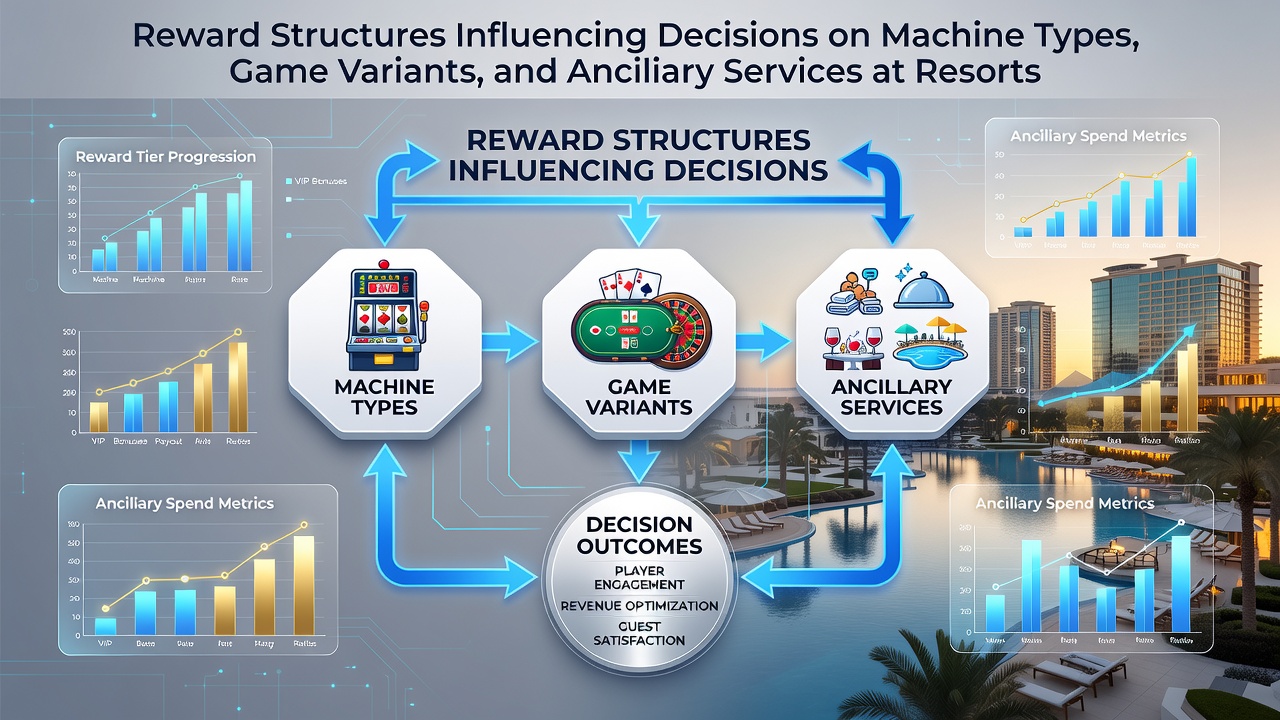
Resort operators have long used tiered point systems and comp structures to guide player activity across gaming floors, and data from multiple jurisdictions shows these incentives directly affect which machines receive the most play, which table game variants draw crowds, and how often guests redeem perks like dining or entertainment packages. In July 2026 several properties across the United States and Asia reported measurable shifts in machine occupancy rates after updating their reward multipliers for specific equipment categories, illustrating how small changes in point accrual can redirect traffic without altering the physical layout of the casino.
Machine Type Decisions Driven by Point Multipliers
Slot floors typically feature dozens of cabinet styles ranging from classic reel machines to multi-game video terminals, and reward programs often assign higher point values to newer models or those with higher theoretical hold percentages. Operators track redemption rates through centralized systems, and figures released by the Nevada Gaming Control Board in early 2026 indicated that machines offering double points during off-peak hours saw a 27 percent increase in average daily play compared with identical units without the bonus. Players who belong to mid-tier loyalty clubs frequently scan the floor for these highlighted units because accumulated points convert faster into free play or room upgrades, creating a feedback loop where certain cabinet types remain occupied longer while older models sit idle.
Video poker variants receive similar treatment when operators tie bonus points to specific paytable selections, and researchers at the University of Nevada, Las Vegas documented how a single multiplier adjustment on full-pay Jacks or Better machines increased session lengths by an average of 14 minutes per visit. The same study noted that lower-tier members responded more strongly to these incentives than high-rollers, who often prioritized table games regardless of point schedules.
Game Variant Choices and Tier Advancement
Table games present another layer where reward structures influence decisions, since different blackjack side bets, roulette wheel configurations, and poker variants carry distinct point-earning rates. Properties adjust these rates seasonally, and observers noted that during the spring of 2026 several Midwest resorts increased point awards on Three Card Poker while reducing them on standard blackjack, resulting in a documented migration of recreational players toward the higher-reward option. Casino management teams monitor table utilization through RFID chip tracking, and internal reports show that variant-specific bonuses can shift minimum bet compliance among loyalty members who seek faster tier advancement.
High-limit rooms sometimes apply separate reward ladders that favor certain game types, and data compiled by the Singapore Casino Regulatory Authority revealed that integrated resort properties offering accelerated points on baccarat variants recorded higher average bets per hand among mid-tier international guests. These adjustments do not change game rules but alter the perceived value of each decision a player makes at the felt.
Ancillary Services and Redemption Patterns
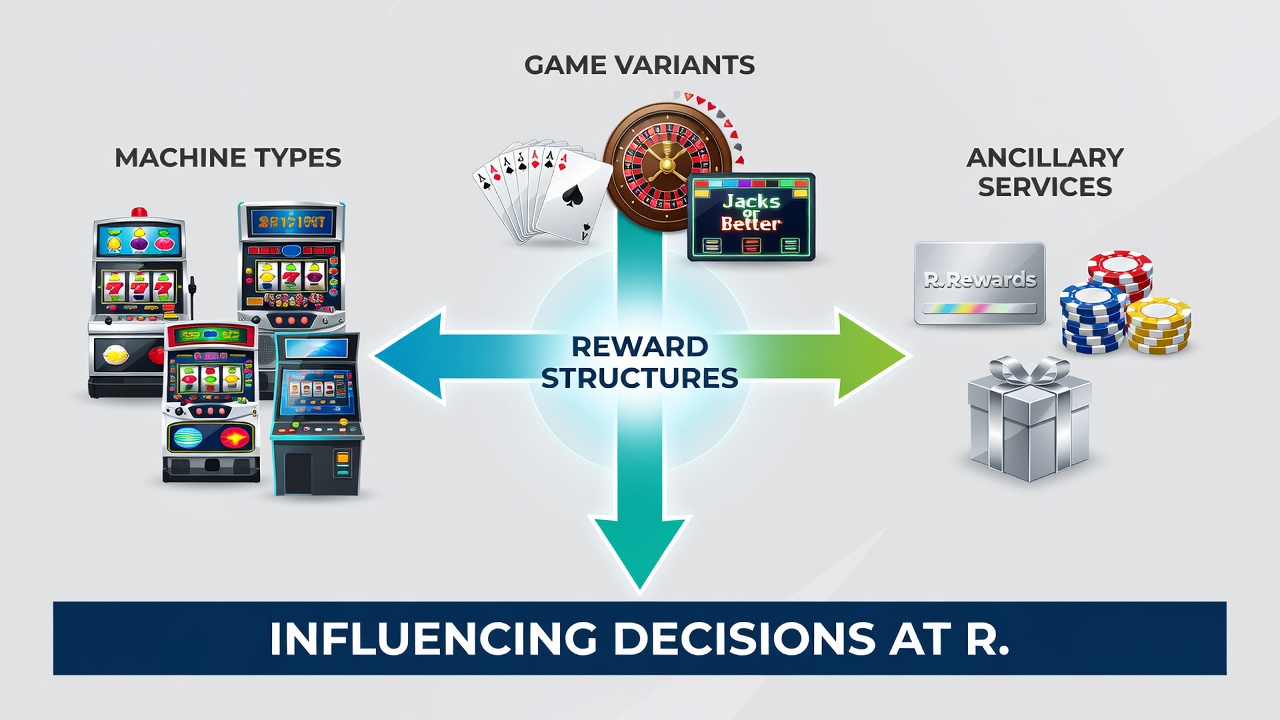
Point redemption extends beyond the gaming floor into restaurants, spas, and entertainment venues, where operators link comp values to specific gaming activity. A guest who accumulates points exclusively on high-reward slot cabinets may unlock earlier access to sold-out shows or discounted spa packages, and resort data systems automatically flag these correlations for marketing teams. In practice this creates measurable patterns: properties that bundle dining credits with machine-type bonuses report higher cross-redemption rates, while those separating teh two see points remain unused until the end of a trip.
Hotel upgrade offers tied to table game play further illustrate the connection, as several Canadian provincial operators publish monthly summaries showing that loyalty members who concentrate activity on certain poker variants receive complimentary suite upgrades at nearly twice the rate of those who spread play across multiple game types. The structure encourages focused behavior without restricting choice outright.
Regional Data and Ongoing Adjustments
July 2026 brought fresh revenue reports from multiple markets that underscore these dynamics. Properties in Pennsylvania and New Jersey released aggregated figures showing that reward-driven placement of new slot themes correlated with a 9 percent rise in ancillary spend on food and beverage outlets located near the promoted machines. Meanwhile, Australian state regulators noted similar effects when integrated resorts adjusted point values for automated table games versus live dealer options, producing distinct traffic flows between gaming pits and nearby retail corridors.
Operators continue to refine algorithms that predict how point schedules will influence behavior, and industry conferences scheduled for later in 2026 will likely feature additional case studies drawn from these recent periods. The underlying mechanism remains consistent: reward structures function as directional signals that players interpret when selecting equipment, game variants, and the broader suite of resort services available to them.
Conclusion
Across multiple jurisdictions and property types, loyalty frameworks continue to steer decisions on machine categories, table game variants, and ancillary redemptions through measurable point differentials and tier benefits. The patterns observed in mid-2026 confirm that these systems operate as active management tools rather than passive membership perks, shaping both short-term floor activity and longer-term guest spending across resort offerings.