Poker Play Unlocking Priority Dining Access Through Casino Loyalty Frameworks

Poker Play Unlocking Priority Dining Access Through Casino Loyalty Frameworks
Modern gaming venues integrate poker participation directly into tiered reward structures that grant access to dining reservations, with points earned at the felt converting into priority booking privileges and meal credits at affiliated restaurants. Data from multiple properties shows these systems operate through centralized player tracking software that logs hours played, tournament entries, and cash game volume before assigning corresponding benefits across non-gaming outlets on the same property.
Mechanics of Point Conversion in Integrated Venues
Observers note that players who complete a minimum number of poker hours during designated weekly sessions receive elevated status markers that unlock earlier reservation windows for restaurants, often bypassing standard booking lead times by 24 to 48 hours. These markers function alongside standard reward points, creating layered incentives where poker activity contributes to both immediate dining perks and long-term tier advancement. Research indicates that venues in competitive markets adjust point multipliers during slower midweek periods to encourage consistent attendance, with August 2026 schedules showing expanded poker calendars at several properties timed to align with new dining menu launches.
One study of loyalty program data revealed that members who combine poker sessions with subsequent restaurant visits maintain higher overall engagement rates than those participating in isolated activities. The tracking systems record these cross-department visits automatically, applying bonus multipliers when a player redeems poker-earned credits within the same 48-hour window. Such mechanics encourage extended property stays without requiring additional promotional spend from operators.
Regional Variations in Program Design
Properties in different jurisdictions structure their poker-to-dining linkages according to local regulations and market demands. Venues operating under Nevada Gaming Control Board oversight typically emphasize cash game volume as the primary driver for reservation priority, whereas programs in other states tie benefits more closely to tournament participation and final table placements. Figures from industry reports highlight that these variations produce measurable differences in how quickly players advance through dining-related reward tiers.
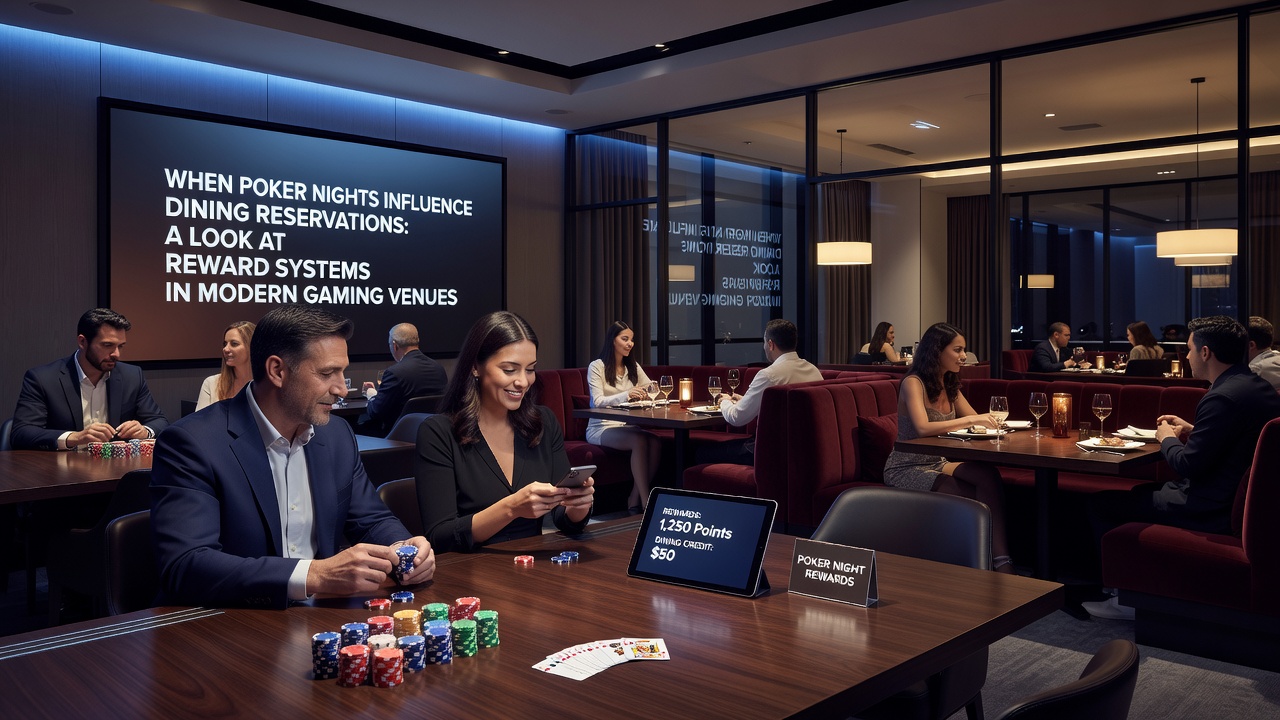
Take one researcher who examined cross-property data and found that members holding mid-tier status often secure tables at signature restaurants during peak dinner hours after logging just four hours of tracked poker play per week. Those same members receive percentage-based discounts that scale with their current reward level, creating a feedback loop where consistent poker attendance directly supports more frequent dining redemptions. The American Gaming Association has documented similar patterns across multiple states, noting that integrated rewards reduce the need for separate marketing campaigns aimed at either poker rooms or dining outlets.
Impact on Reservation Systems and Guest Flow
Reservation platforms at these venues now incorporate loyalty verification steps that automatically apply poker-derived privileges when members log in through the property app or website. Staff training materials indicate that hosts receive real-time alerts when a high-tier poker player books a table, prompting them to offer upgraded seating or complimentary course selections drawn from accumulated credits. This integration streamlines operations while ensuring that dining capacity aligns with predicted demand from active poker participants.
What's interesting is how these systems handle peak periods, with data showing that poker-heavy nights generate measurable spikes in restaurant bookings that operators manage through staggered reservation blocks. Venues track these patterns to adjust table minimums and staffing levels accordingly, maintaining balance between gaming floor activity and food service demand. External analysis from sources such as the Australian Gambling Research Centre confirms that such coordination improves overall property utilization rates without increasing operational overhead.
Future Adjustments and Regulatory Context
Program administrators continue refining the formulas that translate poker activity into dining access, with updates scheduled for late 2026 incorporating new data on guest spending patterns. Regulatory filings in several jurisdictions require operators to disclose how reward redemptions cross between gaming and non-gaming departments, ensuring transparency in point valuation. These disclosures provide researchers with additional datasets for evaluating the effectiveness of integrated loyalty structures over time.
Conclusion
The linkage between poker participation and dining reservations represents a mature application of unified reward platforms across modern gaming venues. Tracking systems, point conversion rules, and reservation protocols work together to create measurable connections between activities that once operated independently. Continued data collection from regulatory bodies and industry organizations will track how these frameworks evolve in response to changing guest behaviors and jurisdictional requirements.