Promotional Strategies Directing Casino Patrons from Slot Zones to Performance Venues
Promotional Strategies Directing Casino Patrons from Slot Zones to Performance Venues
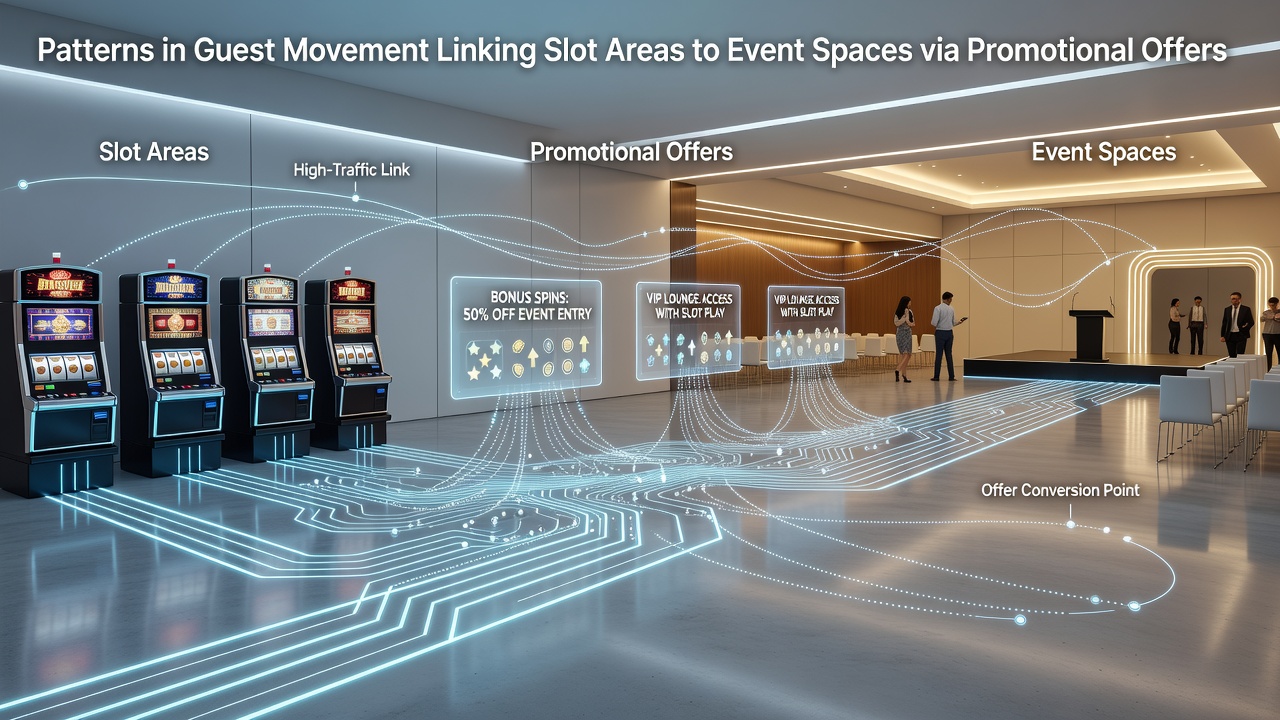
Data from multiple gaming jurisdictions shows that targeted offers often create measurable shifts in where guests spend time, and these patterns connect slot areas directly to event spaces through incentives like free event tickets or bundled rewards. Observers note that casinos track these movements using loyalty card data, which reveals how players move after receiving notifications about upcoming shows or tournaments tied to their slot play activity.
Tracking Guest Flows Through Incentive Programs
Research indicates that slot machine sessions frequently precede attendance at live entertainment when promotions link the two, and figures from regional operators reveal clusters of redemptions occurring within two to four hours after major jackpot wins or bonus point accumulations. Those who've analyzed transaction logs find that guests receiving digital offers for event access tend to exit slot zones in groups, creating predictable surges near venue entrances during peak evening hours. And this holds especially true in properties where reward tiers unlock priority seating or complimentary upgrades that require physical movement across the property.
Studies from academic institutions have documented similar behaviors in integrated resorts, where promotional redemptions for concerts or sports viewing parties pull participants away from gaming floors at consistent intervals. Data shows these transitions peak on weekends, while midweek patterns spread more evenly across afternoon and evening blocks. What's interesting is how operators adjust minimum bet requirements on nearby machines to encourage lingering before the shift occurs, all based on historical movement analytics collected through the same loyalty systems.
Regional Examples and Data Patterns in 2026
Reports compiled through August 2026 highlight increased activity in several North American markets where entertainment calendars align with slot promotions, and figures reveal measurable upticks in cross-floor traffic when offers include meal vouchers redeemable only after event check-in. One analysis from the New Jersey Division of Gaming Enforcement documented how such bundles affected foot traffic near poker rooms and adjacent performance halls during summer months. Yet patterns vary by property size, with larger venues showing more complex multi-stop journeys that include brief returns to slot banks between activities.
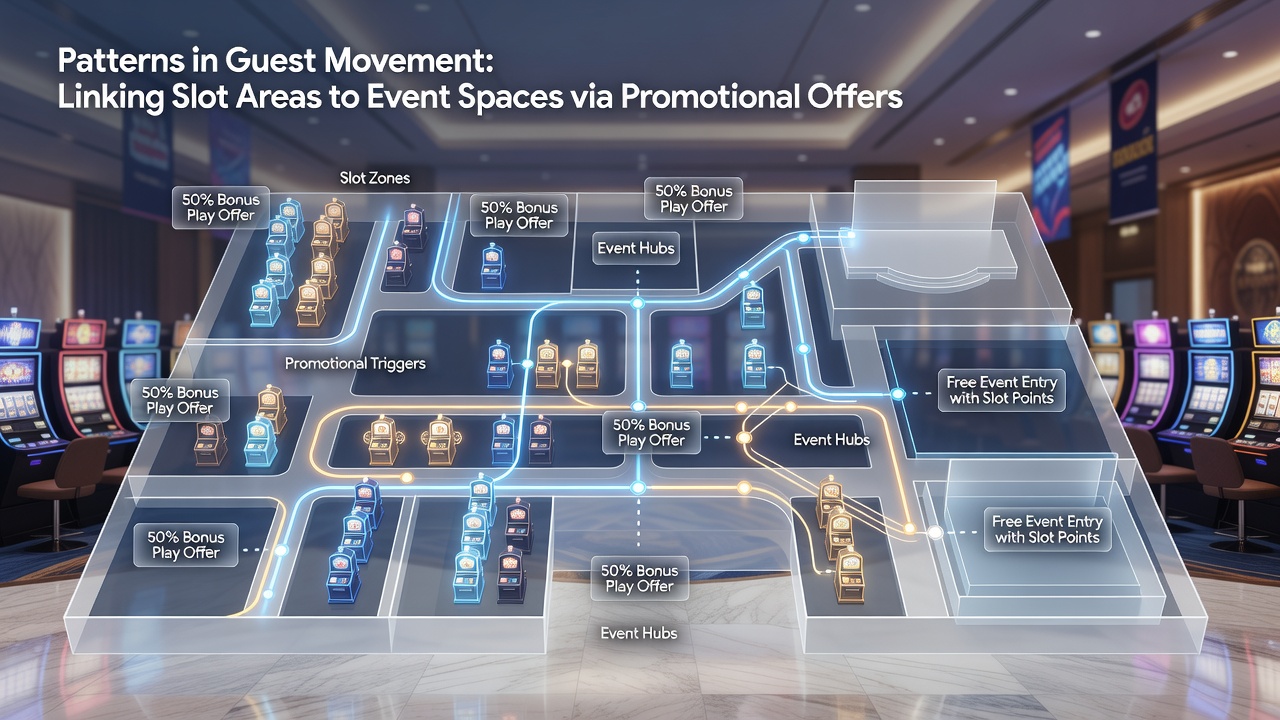
Industry organizations such as the American Gaming Association have compiled member surveys indicating that roughly 35 percent of slot-based rewards now incorporate entertainment components, and this integration drives documented flows toward event spaces in properties across multiple states. Observers note that digital push notifications timed with slot activity produce the strongest correlation, whereas static signage yields lower conversion rates for movement. Those studying these systems point out that tiered members respond differently than casual players, often extending their overall visit duration when event access requires a short walk through additional gaming areas.
Influence of Timing and Offer Design
Evidence suggests that promotional calendars synchronized with entertainment schedules influence not just where guests go but also how long they remain in transition zones, and this creates secondary effects on adjacent table game utilization. Data from Canadian provincial regulators shows similar linking patterns in facilities that bundle slot rewards with theater access, particularly when offers specify time windows that overlap with popular showtimes. Researchers discovered that guests frequently pause at promotional kiosks located midway between slot banks and event entrances, which operators use to distribute additional incentives and further guide the path.
Case studies from integrated properties in Asia demonstrate that combining slot play milestones with event reservations produces repeatable movement sequences, and these sequences become more pronounced when weather or external factors limit outdoor alternatives. The reality is that operators refine these designs continuously based on real-time sensor data, adjusting offer values to balance slot revenue retention with event space occupancy goals. And this balancing act relies on precise mapping of guest pathways rather than broad assumptions about behavior.
Conclusion
Patterns in guest movement between slot areas and event spaces emerge clearly when promotional offers serve as the connecting mechanism, and available data from regulatory bodies and industry reports confirms these links operate across diverse markets. Observers continue to monitor how evolving digital tools refine these flows, particularly as operators incorporate more granular tracking into their systems through 2026 and beyond. The documented outcomes show consistent directional shifts tied directly to incentive structures rather than random circulation.