Resort Entertainment Calendars Influence Slot Availability and Table Game Minimums for Loyalty Members
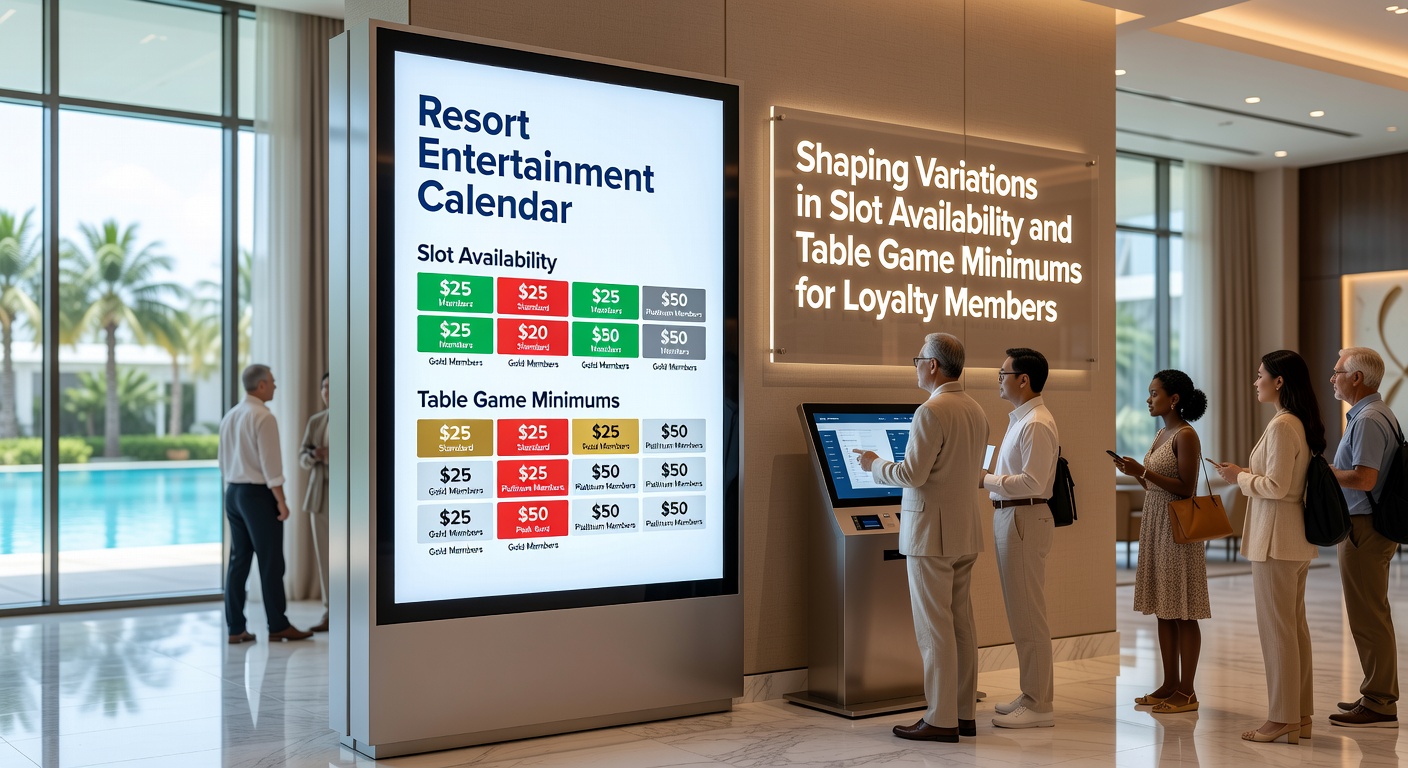
Resort Entertainment Calendars Influence Slot Availability and Table Game Minimums for Loyalty Members
Resort entertainment calendars drive measurable shifts in casino operations, particularly around slot machine counts on the floor and minimum bet requirements at table games. These calendars list concerts, shows, sporting events, and special promotions months ahead, and gaming operators use them to forecast crowd sizes while reallocating resources accordingly. Loyalty program data plays a central role because members often receive advance notice of schedule changes that affect their play options.
Operators track attendance patterns from past events and adjust floor layouts before peak periods arrive. When a major concert draws thousands of additional visitors, facilities reduce certain slot banks to create space for event staging or crowd flow. Table sections may see minimums raised from five dollars to twenty-five dollars or higher during those same windows, yet loyalty tiers frequently unlock access to unchanged or reduced thresholds through reserved areas.
Event Timing and Floor Reconfiguration Patterns
Data from multiple properties shows that entertainment dates correlate with slot availability drops of ten to thirty percent on busy evenings. Machines in high-traffic zones near theaters or arenas get moved or taken offline temporarily, while loyalty members gain priority placement through digital reservation systems tied to their accounts. These systems update in real time as calendars finalize, allowing players to secure machines before general admission crowds arrive.
Table game minimum adjustments follow similar logic. Pit managers review projected headcounts from ticket sales and set base bets accordingly. A midweek comedy show might leave minimums untouched, whereas a weekend headline act prompts increases across blackjack and roulette pits. Loyalty members receive tiered notifications that highlight which tables maintain standard limits or offer dedicated low-minimum sessions exclusively for rewards participants.
Loyalty Program Integration With Scheduling Tools
Rewards platforms connect directly to entertainment calendars through centralized management software. Members log in to view upcoming shows alongside corresponding gaming adjustments, and the interface flags opportunities such as early access to new slot releases or invitation-only table sessions. This linkage helps properties distribute play volume more evenly across loyalty segments rather than concentrating activity during peak entertainment hours.
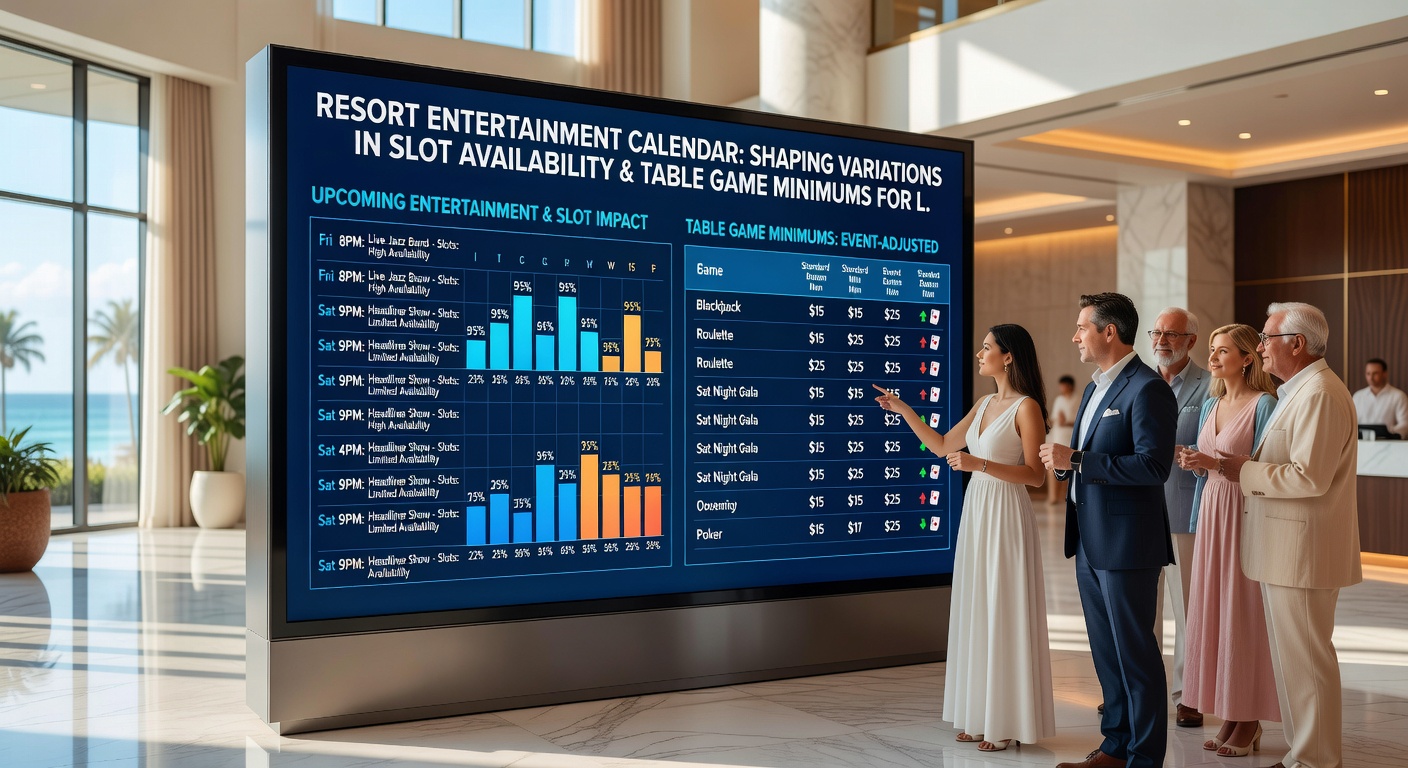
Studies from the University of Nevada, Reno document how these integrated tools improve retention metrics when members receive personalized alerts about availability windows. Properties in multiple jurisdictions report similar outcomes, with loyalty engagement rising when calendars highlight both entertainment and gaming variables together. Observers note that such transparency reduces walk-up disappointments for higher-tier players who plan visits around specific minimum thresholds.
Regional Data and Calendar-Driven Adjustments
Figures released by the American Gaming Association indicate that properties hosting over one hundred annual events experience more frequent slot reallocations than those with lighter schedules. In Canada, reports from the Ontario Lottery and Gaming Corporation show comparable patterns where loyalty members maintain access to twenty percent more machines during sold-out performances through pre-booked reservations. These adjustments occur on predictable cycles tied to ticket sales milestones.
June 2026 calendars already list several large-scale concerts and festival tie-ins across North American resorts. Preliminary floor plans shared with loyalty teams indicate targeted slot reductions near outdoor stages paired with protected minimums at select table banks. Members at top tiers can lock in those positions weeks ahead, while standard players encounter dynamic pricing reflected in posted bet requirements.
Operational Tools and Player Notification Systems
Casino management platforms now incorporate calendar APIs that push updates straight to loyalty apps. When an entertainment date shifts, slot availability estimates and table minimum projections update automatically for affected accounts. Players receive push notifications listing exact machine banks or pit sections that will remain stable for their tier during the event window.
Training for floor staff includes modules on interpreting these calendar-linked reports so they can guide members to appropriate sections without disrupting general traffic. The process keeps operations efficient while satisfying the expectations of rewards participants who factor minimum stability into their visit planning.
Conclusion
Resort entertainment calendars function as operational blueprints that shape daily gaming conditions across slot floors and table pits. Loyalty programs translate those calendars into member-specific advantages through reserved access and tiered notifications. As schedules for periods like June 2026 continue to fill, the data connections between events, machine counts, and minimum structures grow tighter, creating a coordinated system that balances crowd management with rewards recognition.