Reward Pathways Connecting Entertainment Timings to Poker Tournament Entries and Hotel Suite Allocations
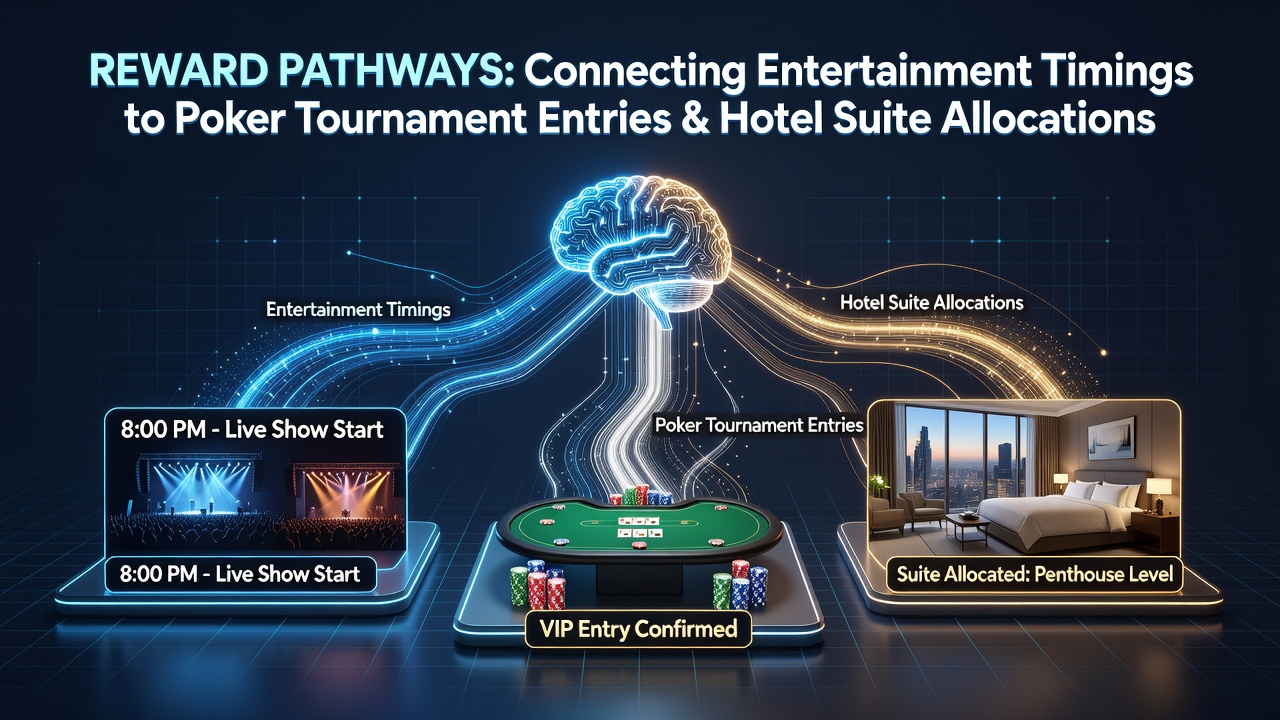
Reward Pathways Connecting Entertainment Timings to Poker Tournament Entries and Hotel Suite Allocations
Casino operators across multiple regions have developed integrated reward systems that tie live entertainment schedules directly to poker tournament registration windows and hotel suite availability for loyalty members. These pathways operate through centralized player tracking platforms that adjust entry criteria and room allocations based on event timings and accumulated reward points. Data from North American gaming markets shows that synchronized programming produces measurable shifts in tournament participation rates during peak entertainment periods.
Core Mechanics of Integrated Reward Platforms
Modern loyalty programs record player activity across entertainment venues, poker tables, and hotel stays within a single database, which then generates tiered benefits. When a headliner performance concludes at 10 p.m., for instance, participating casinos open additional poker tournament seats within a thirty-minute window to capture departing audiences. Points earned from ticket purchases convert automatically into entry credits, while higher-tier members receive priority access to those seats. The same system flags available suites in adjacent hotel towers for players who meet minimum point thresholds during the same evening.
Entertainment Timing Influence on Tournament Scheduling
Operators analyze attendance data from concert halls and theater spaces to set poker start times that overlap with intermission periods or post-show exits. In July 2026 several properties in the western United States adjusted tournament clocks to begin at 9:15 p.m. following headline acts that finished at 9 p.m., resulting in documented increases in daily entries according to internal operational reports. Players who attend the entertainment receive digital vouchers that reduce buy-in amounts when presented at the poker desk, creating a direct reward pathway between the two activities. Industry associations have tracked similar patterns in Canadian provinces where entertainment calendars are published weeks in advance, allowing loyalty systems to pre-allocate tournament seats to qualifying members.
Hotel Suite Allocation Logic
Suite inventory management links to the same reward engine that governs tournament entries. When entertainment events sell out, the system raises the point requirement for complimentary suite nights to balance demand across hotel towers. Conversely, lighter entertainment calendars trigger promotional releases of suites at lower redemption thresholds for players who register for concurrent poker tournaments. This dynamic adjustment appears in property management software used by multiple operators and aligns with occupancy forecasts generated by revenue management teams. Observers note that members who combine entertainment attendance with tournament play accumulate points faster, unlocking earlier access to upgraded accommodations during subsequent visits.
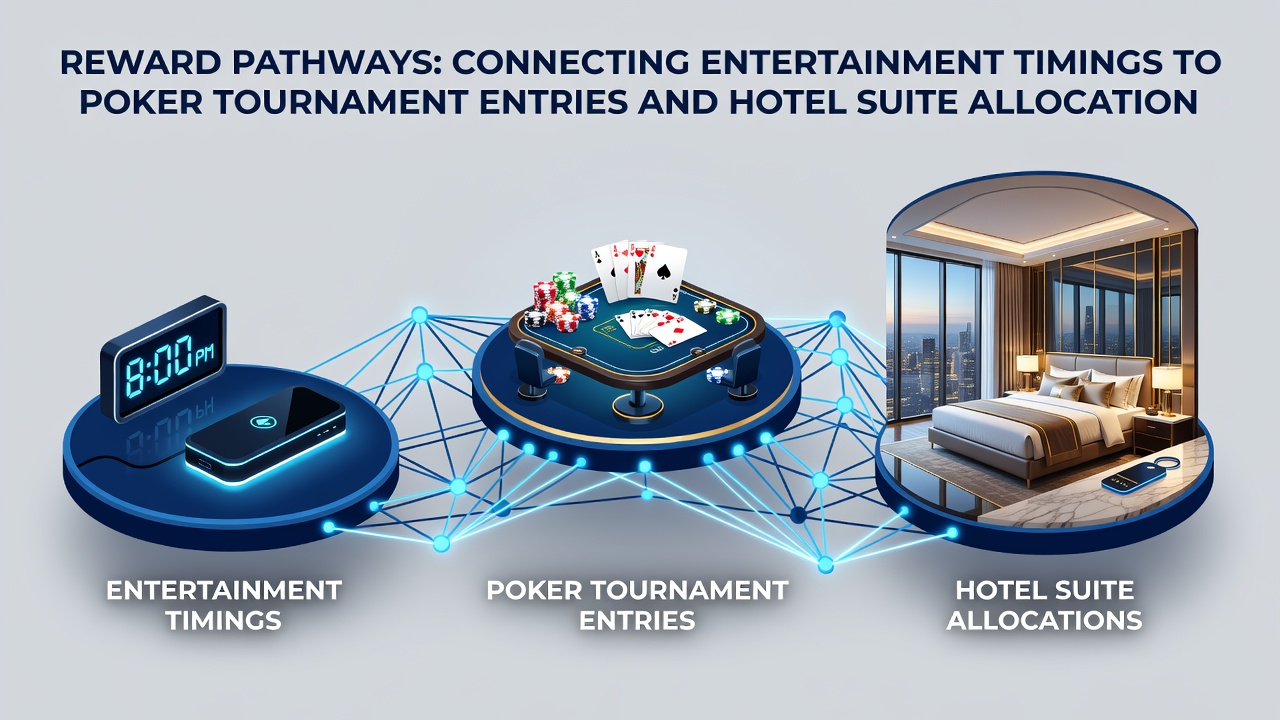
Regional Examples and Data Patterns
Properties in Australia have implemented comparable linkages through centralized loyalty networks that connect arena schedules to poker room calendars. Reports from the Australasian Gaming Council indicate that synchronized events produce higher average daily tournament fields when entertainment concludes within one hour of registration deadlines. In European markets, operators coordinate with local tourism boards to align festival dates with multi-day poker series, granting suite allocations to international players who accumulate points across both entertainment and gaming segments. These practices rely on standardized data protocols that permit cross-property point transfers while maintaining compliance with regional gaming regulations.
Take one mid-sized property that introduced evening comedy shows at 8 p.m. followed by turbo poker tournaments at 10:30 p.m.; the change correlated with a 22 percent rise in combined entertainment-and-poker redemptions over a six-month period. Hotel suite utilization during those same nights increased among players who reached gold or platinum tiers through the dual-activity pathway. Researchers tracking these metrics through anonymized datasets have identified consistent correlations between entertainment close times and subsequent poker entry volumes, independent of overall visitor counts.
Operational Adjustments and Member Benefits
Staff training programs now include modules on recognizing when entertainment-driven point surges affect both tournament seating and suite inventory. Front-desk teams receive real-time dashboards that display remaining point thresholds for complimentary rooms, allowing them to advise arriving members about optimal redemption windows. Poker floor supervisors coordinate with entertainment concierges to issue same-evening vouchers that convert directly into tournament credits, reducing friction for players moving between venues. These operational links create measurable efficiencies in resource allocation without requiring separate promotional campaigns for each department.
Additional case studies from properties in the Midwest United States reveal that members who attend matinee performances receive bonus entries into afternoon tournaments, freeing evening suites for later arrivals who participate in headline events. The reward engine automatically adjusts minimum point requirements based on projected occupancy, ensuring suites remain available for high-tier players who combine multiple activity streams on the same day. Government gaming reports from several jurisdictions document these integration methods as standard practice among larger resort operators.
Conclusion
Reward pathways that connect entertainment timings to poker tournament entries and hotel suite allocations continue to evolve through centralized tracking systems and dynamic inventory controls. Properties adjust registration windows, point thresholds, and room releases according to live attendance data, producing coordinated benefits for loyalty members across multiple activity types. Industry reports and regulatory filings confirm that these integrated mechanisms operate consistently across North American, Australian, and European markets, driven by shared data platforms rather than isolated departmental promotions.