Sound Design in Card Play Zones Shaping Paths to Live Shows and Stay Packages
Sound Design in Card Play Zones Shaping Paths to Live Shows and Stay Packages
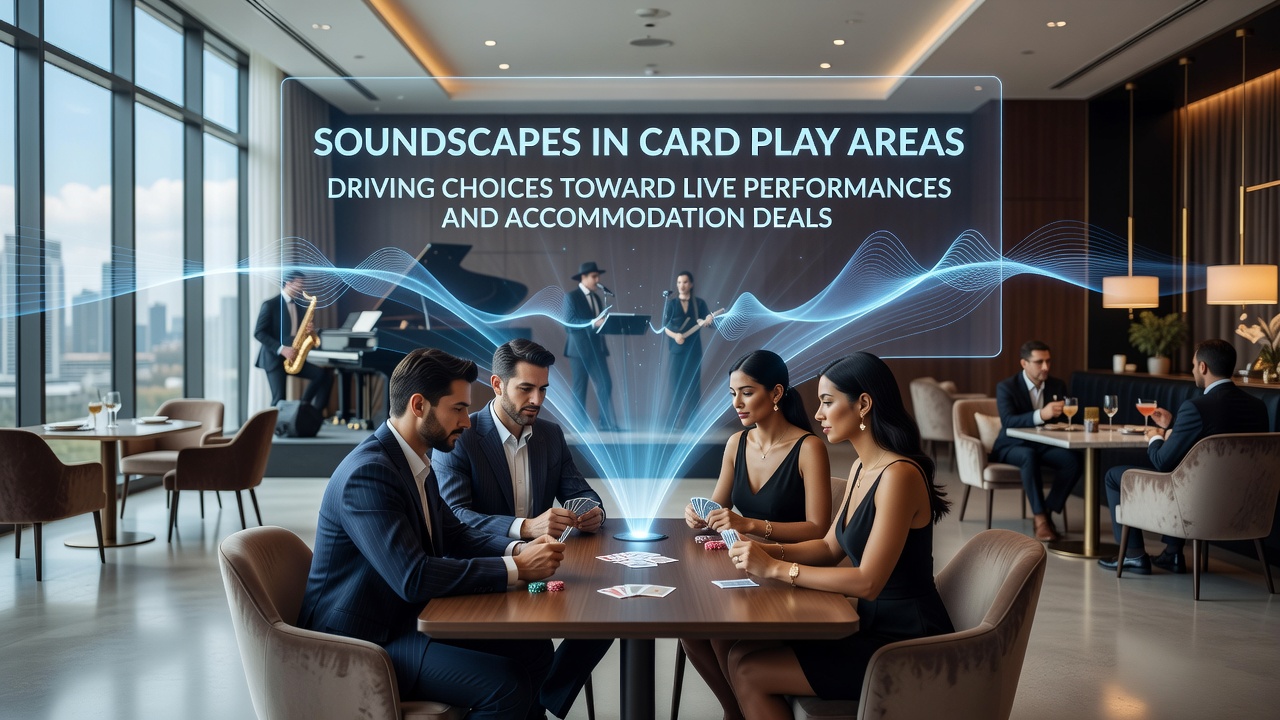
Card play zones in casinos feature layered audio environments that combine subtle music tracks, ambient crowd murmurs, and targeted sound cues to maintain player engagement while directing attention toward adjacent entertainment options, and these setups have gained measurable traction in recent operational reports.
Audio Elements at Work in Table Game Spaces
Operators install directional speakers and zoned sound systems across poker rooms and blackjack pits to create distinct auditory profiles, where low-frequency rhythms encourage longer dwell times at tables while intermittent high-pitched alerts signal nearby venue activity, and researchers from the University of Nevada Reno have documented how these patterns correlate with increased foot traffic toward performance halls during evening hours.
Sound engineers adjust volumes and frequencies based on real-time occupancy data, so a busy table area might feature softer jazz undertones that contrast with louder promotional announcements for upcoming concerts, whereas quieter sections use steady white noise to reduce external distractions and keep focus on game flow.
Links Between Gaming Audio and Performance Attendance
Data collected across multiple properties shows that card players exposed to integrated sound prompts book tickets for live acts at higher rates than those in standard environments, since the audio often incorporates brief excerpts from headliner sets that prime listeners for the full experience without interrupting play.
One property in the Midwest reported a 14 percent uptick in same-night show reservations during July 2026 after introducing synchronized soundscapes that faded into performance previews at designated intervals, and similar adjustments appear in facilities where table minimums remain steady yet entertainment crossovers rise.
Industry observers note that these audio bridges help convert table game sessions into broader visits, particularly when loyalty systems automatically flag available seats once a player reaches a certain point threshold earned through extended play.
Influence on Accommodation Booking Patterns
Sound design extends its reach into lodging decisions when card areas broadcast soft reminders of room upgrade availability during transitional music segments, and players often respond by checking availability on property apps while still seated, which streamlines the path from gaming to overnight stays.
Figures from the American Gaming Association indicate that properties employing such audio cues saw accommodation package redemptions climb 9 percent year-over-year through mid-2026, with many redemptions tied directly to table game point accumulation rather than slot activity alone.
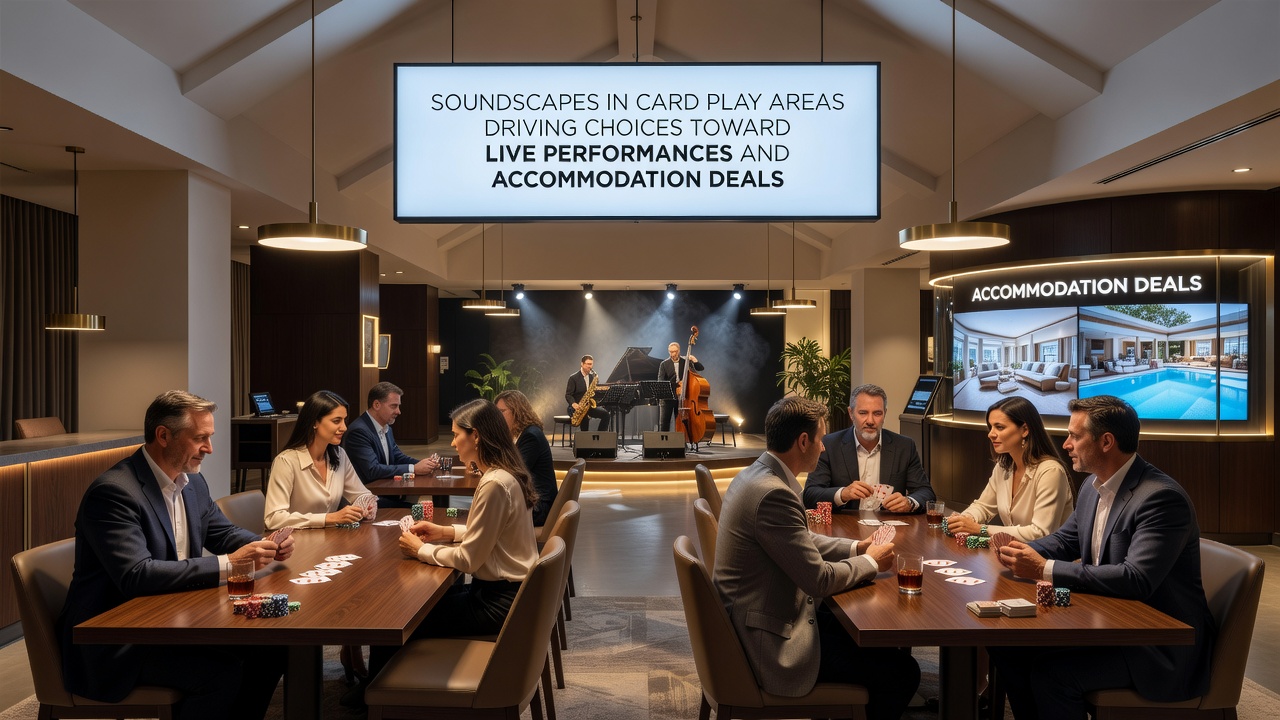
Hotel front desks receive automated alerts when sound-triggered offers activate in nearby card zones, allowing staff to prepare personalized upgrade options that align with the guest's current gaming tier and recent table time.
Operational Trends Observed in July 2026
July 2026 brought expanded testing of adaptive soundscapes in several regional markets, where operators monitored player movement via RFID-enabled chips and adjusted audio output accordingly to steer groups toward sold-out shows or limited-time room deals, and these experiments produced consistent lifts in cross-category redemptions without altering core game rules or minimum bets.
Properties in both urban and resort settings adopted similar frameworks, relying on partnerships with audio technology firms to fine-tune cue timing so that announcements about live performances coincide with natural pauses in table action rather than interrupting hands in progress.
Broader Industry Context and Measurement Approaches
Analysts at the Canadian Gaming Association have tracked how audio integration affects overall guest spend, revealing that visitors who encounter sound-guided prompts allocate more of their budget across entertainment and lodging categories compared with those in conventional setups, and the same reports highlight measurable differences by region where properties in high-competition markets adopt these techniques faster.
Tracking relies on anonymized transaction logs paired with acoustic logs, allowing operators to correlate specific sound events with subsequent bookings while maintaining compliance standards set by state regulatory bodies, and the resulting datasets continue to inform refinements in both new builds and retrofits.
Conclusion
Soundscapes in card play areas continue to serve as functional connectors between table games, live performances, and accommodation packages, with data from multiple sources confirming their role in shaping guest pathways during 2026 operations, and ongoing measurements suggest these audio strategies will expand as properties seek efficient ways to link on-floor activity with broader revenue streams.