The Hidden Pathways Linking Live Entertainment Schedules to Strategic Table Game Decisions and Hotel Upgrade Opportunities
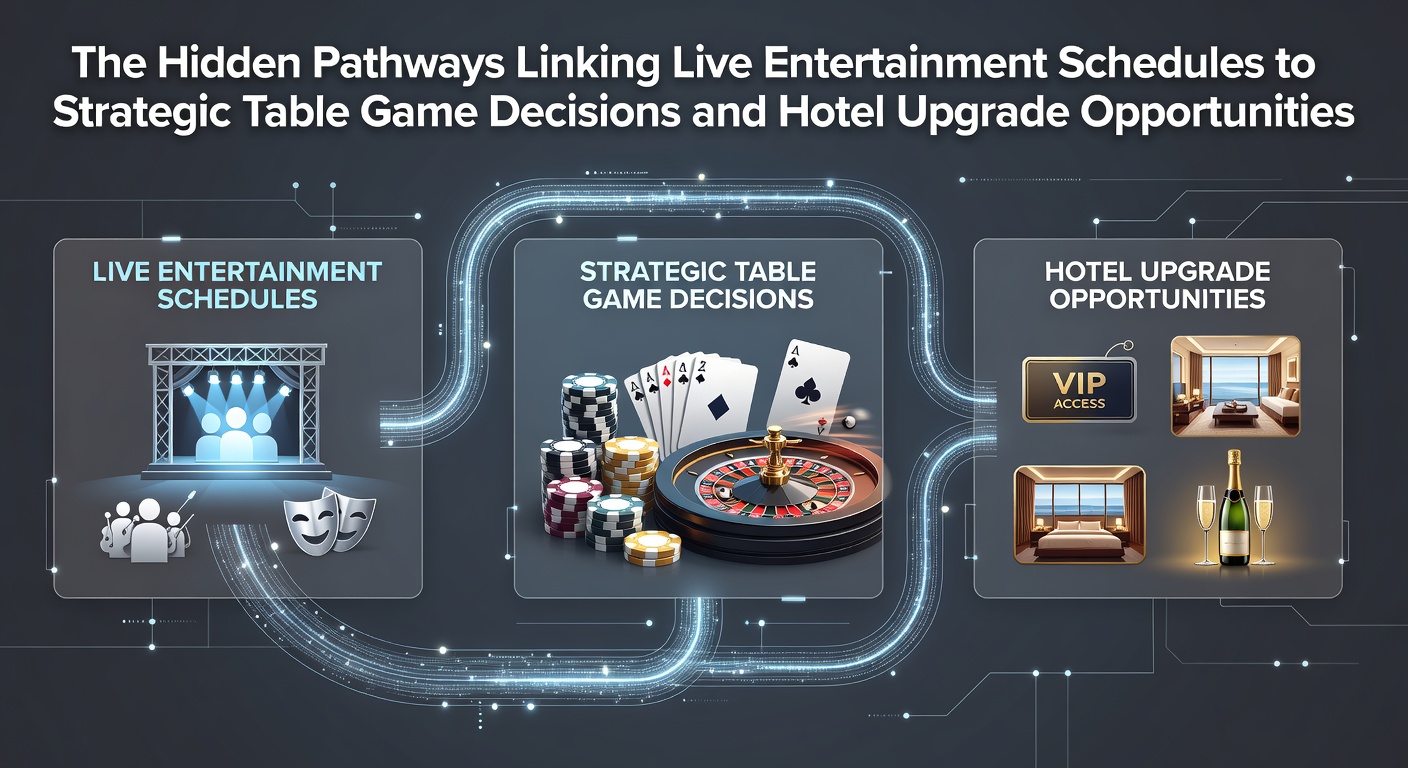
The Hidden Pathways Linking Live Entertainment Schedules to Strategic Table Game Decisions and Hotel Upgrade Opportunities
Live entertainment schedules at casinos often shape how players approach table games, since shows and concerts create predictable windows of high and low activity that influence decisions about when to play and how long to stay at the tables. Observers note that operators release these schedules months in advance, allowing regular patrons to align their gaming sessions with periods when minimum bets drop or when promotions tie directly into ticket purchases. Data from the American Gaming Association indicates that integrated resorts see measurable increases in table game handle during weeks when headline performers draw crowds, yet the real movement happens in the quieter intervals between acts.
Timing Patterns That Guide Table Play
Players who track entertainment calendars frequently shift their table selections based on the flow of foot traffic. When a major concert ends around 10 p.m., for instance, crowds often migrate toward nearby tables where dealers have already adjusted limits downward to accommodate the influx. Research from teh University of Nevada, Las Vegas Center for Gaming Research shows that blackjack and roulette volume rises notably in the hour following show closeouts, while earlier evening slots before performances favor lower-stakes games that keep seats occupied without exhausting player bankrolls. Those who study these rhythms learn to position themselves at tables offering match-play coupons that require a minimum buy-in timed to coincide with intermission breaks.
And yet the connection runs deeper than simple crowd management. Strategic players monitor how entertainment lineups affect comp accrual rates, since many loyalty systems award bonus points during designated show weeks. Figures released by the Nevada Gaming Control Board reveal that table game players who also redeem entertainment credits earn upgrade eligibility faster than those who focus solely on slots. This linkage encourages participants to extend sessions strategically, pausing play to attend a performance and then returning once the venue clears.
Pathways From Table Decisions to Hotel Upgrades
Hotel upgrade opportunities emerge when table game activity intersects with entertainment attendance in measurable ways. Properties track combined metrics that include average bet size, length of play, and whether a guest also holds a ticket for that evening’s headliner. When these elements align, front desk systems automatically flag accounts for potential room upgrades upon check-in. Reports compiled by the Canadian Gaming Association highlight similar patterns across integrated resorts in British Columbia, where loyalty tiers advance more quickly for guests who pair table play with live events.
Consider one documented sequence observed at multiple properties: a guest books a standard room for a weekend featuring a sold-out comedy show on Friday. By extending table sessions during the pre-show lull and presenting the ticket stub at the rewards desk, the same guest qualifies for a suite upgrade on Saturday night. The process relies on backend algorithms that weigh entertainment redemptions alongside gaming volume, creating a pathway that rewards coordinated planning rather than isolated visits.
What's interesting is how these systems adapt when schedules shift. Properties release updated entertainment calendars quarterly, and those adjustments ripple through table minimums and comp thresholds. Guests who review the revised lineup in advance often reserve table time during newly announced off-peak slots, knowing that management will sweeten offers to maintain occupancy. Industry data compiled by the Australasian Gaming Council shows that such forward planning correlates with higher upgrade conversion rates in the months following schedule announcements.
Developments Expected in May 2026
May 2026 brings several high-profile entertainment additions across major markets, including extended residencies and touring productions that operators have already slotted into promotional calendars. These additions coincide with planned adjustments to table game configurations, such as temporary increases in side-bet availability during show weeks. Observers anticipate that loyalty programs will highlight bundled packages linking ticket purchases to guaranteed minimum play requirements that unlock complimentary room upgrades. Regulatory filings from the New Jersey Division of Gaming Enforcement indicate that similar integrations have expanded steadily in prior seasons, suggesting the pattern will continue.
Guests planning visits around these May dates can review published schedules to identify gaps between performances when table limits typically ease. This timing allows for deliberate sessions that accumulate the necessary points or play hours needed for upgrade consideration without competing against peak crowds. The approach mirrors tactics already used successfully in prior calendar cycles.
Conclusion
Live entertainment schedules function as more than marketing tools; they operate as structural elements that steer table game participation and feed directly into hotel upgrade pathways. By aligning play sessions with documented performance windows, participants access measurable advantages through loyalty systems that reward coordinated activity. As May 2026 approaches with its expanded slate of events, the same mechanisms will continue to shape decisions on the floor and at the front desk.