Tiered Membership Systems Link Hotel Stays, Wagering Options, and Dining Rewards Across Casino Resorts
Tiered Membership Systems Link Hotel Stays, Wagering Options, and Dining Rewards Across Casino Resorts
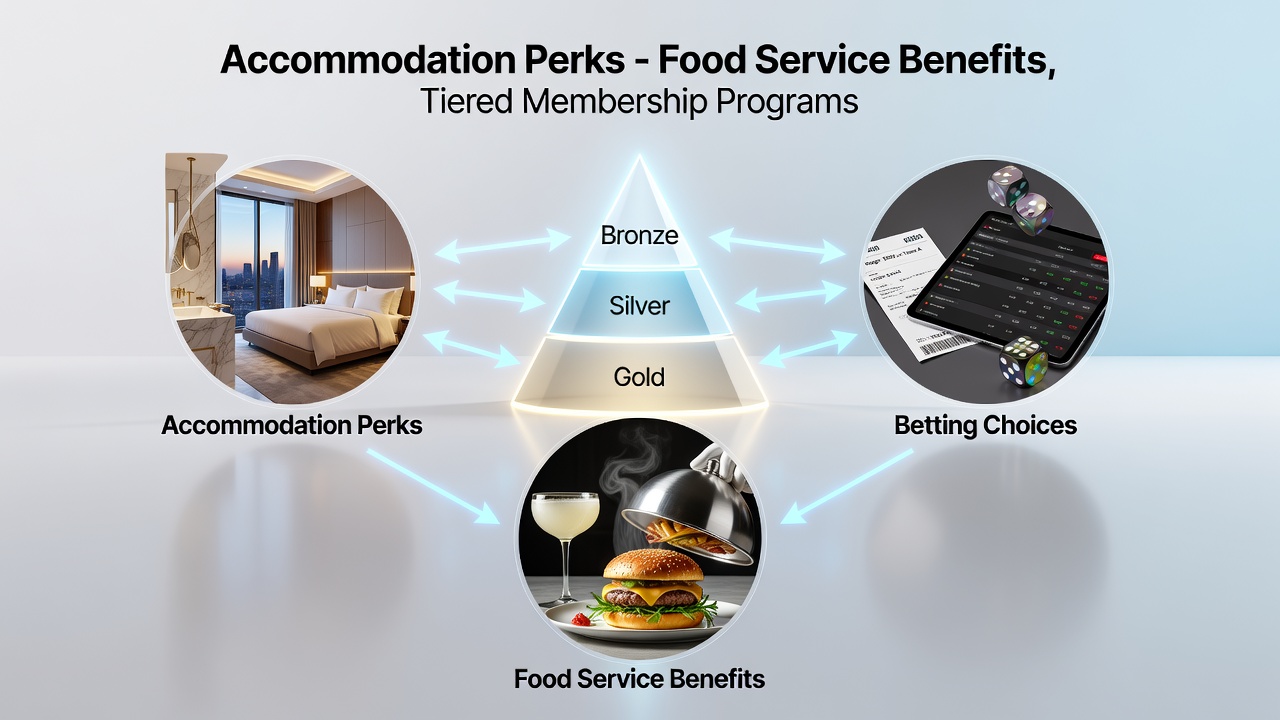
Data from multiple gaming jurisdictions shows that tiered membership programs now coordinate accommodation upgrades directly with betting volume requirements and food service redemptions, creating structured pathways where players advance through levels by combining activity across hotel, gaming floor, and restaurant outlets.
Program Structures and Tier Progression
Operators define tiers through cumulative point thresholds that track both slot and table game play, while separate multipliers apply to hotel room charges and restaurant spending, and players who reach higher brackets unlock complimentary nights that scale with their average bet size and session length, whereas entry-level members receive basic discounts that require additional qualifying activity before they convert into full room credits or meal vouchers.
According to records maintained by the Nevada Gaming Control Board, several properties adjusted their tier formulas in early 2026 to weight accommodation redemptions more heavily toward table games play, producing measurable shifts in how guests allocate time between rooms and betting areas during extended visits.
Integration of Accommodation and Betting Perks
Accommodation benefits often function as gateways to preferred betting conditions, with mid-tier members gaining access to higher table minimums waived during peak hours and late-night comped rooms that include direct credit to sportsbooks or slot floors, and this linkage allows properties to steer player traffic toward underutilized gaming zones while maintaining occupancy targets in hotel towers.
July 2026 figures released by state regulators in multiple markets indicated that properties reporting integrated tier systems experienced faster advancement rates among guests who combined overnight stays with consistent betting activity, compared with those who treated lodging and gaming as separate transactions.
Food Service Benefits Within the Same Framework
Dining outlets participate by awarding points that count toward tier status at reduced rates, yet they deliver higher redemption values once members reach silver or gold levels, and this structure encourages players to spend comp dollars on meals rather than cashing out early, thereby extending overall visit duration and increasing the likelihood of additional betting sessions.
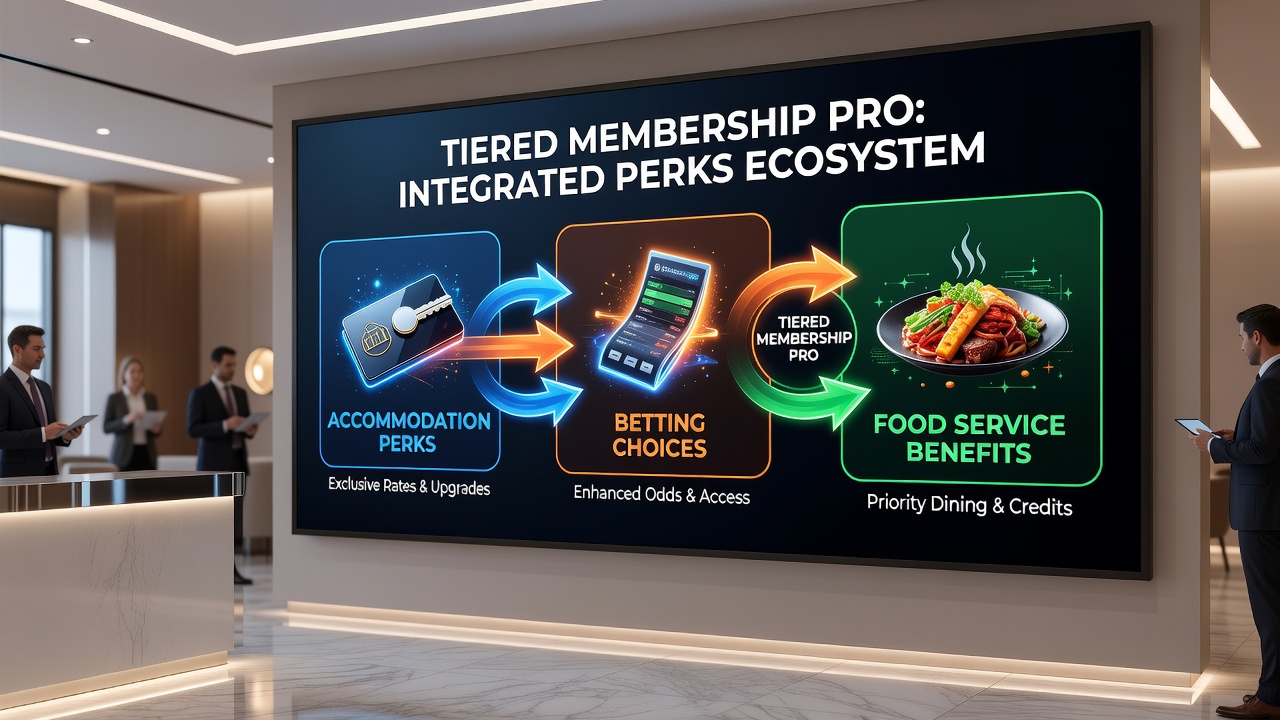
Research compiled by the University of Nevada, Las Vegas International Gaming Institute demonstrates that coordinated redemptions across hotel, gaming, and food outlets produce higher retention metrics than standalone promotions, because members who unlock room upgrades through betting volume tend to redeem dining credits during the same stay, creating a closed loop of activity that operators monitor through centralized loyalty platforms.
Regional Variations in Program Design
Properties in competitive markets adjust point-earning rates seasonally, with summer months often featuring accelerated earning on table games to offset slower hotel demand, while food service benefits remain constant to maintain guest flow through restaurants even during periods of lower overall visitation, and analysts note that these adjustments appear in quarterly filings submitted to state gaming agencies.
One documented case involved a multi-property operator that synchronized its highest tier benefits so that platinum members received both suite upgrades and priority reservations at signature restaurants, contingent on maintaining a minimum average daily bet across sportsbooks and table games, and this model spread to additional venues by mid-2026 as data sharing agreements between properties became more common.
Operational Tracking and Guest Behavior
Centralized databases record each redemption category separately, allowing operators to identify which combination of perks drives the strongest repeat visitation, and reports from industry associations indicate that members who use accommodation credits alongside betting comps show longer average trip lengths than those who redeem only one category, prompting further refinements to point multipliers during the first half of 2026.
External audits of these systems, conducted under requirements from bodies such as the South African Gambling Regulatory Authority, confirm that clear disclosure of tier requirements and redemption values reduces disputes, while maintaining the linkage between lodging, wagering, and dining continues to support measurable increases in total guest spend per visit.
Conclusion
Tiered membership programs continue to evolve by tightening the connections between accommodation access, betting thresholds, and food service redemptions, with operators using data collected through 2026 to calibrate point structures that balance player advancement against property revenue goals, and the resulting frameworks appear across multiple jurisdictions as standardized tools for managing guest activity across hotel, gaming, and dining operations.